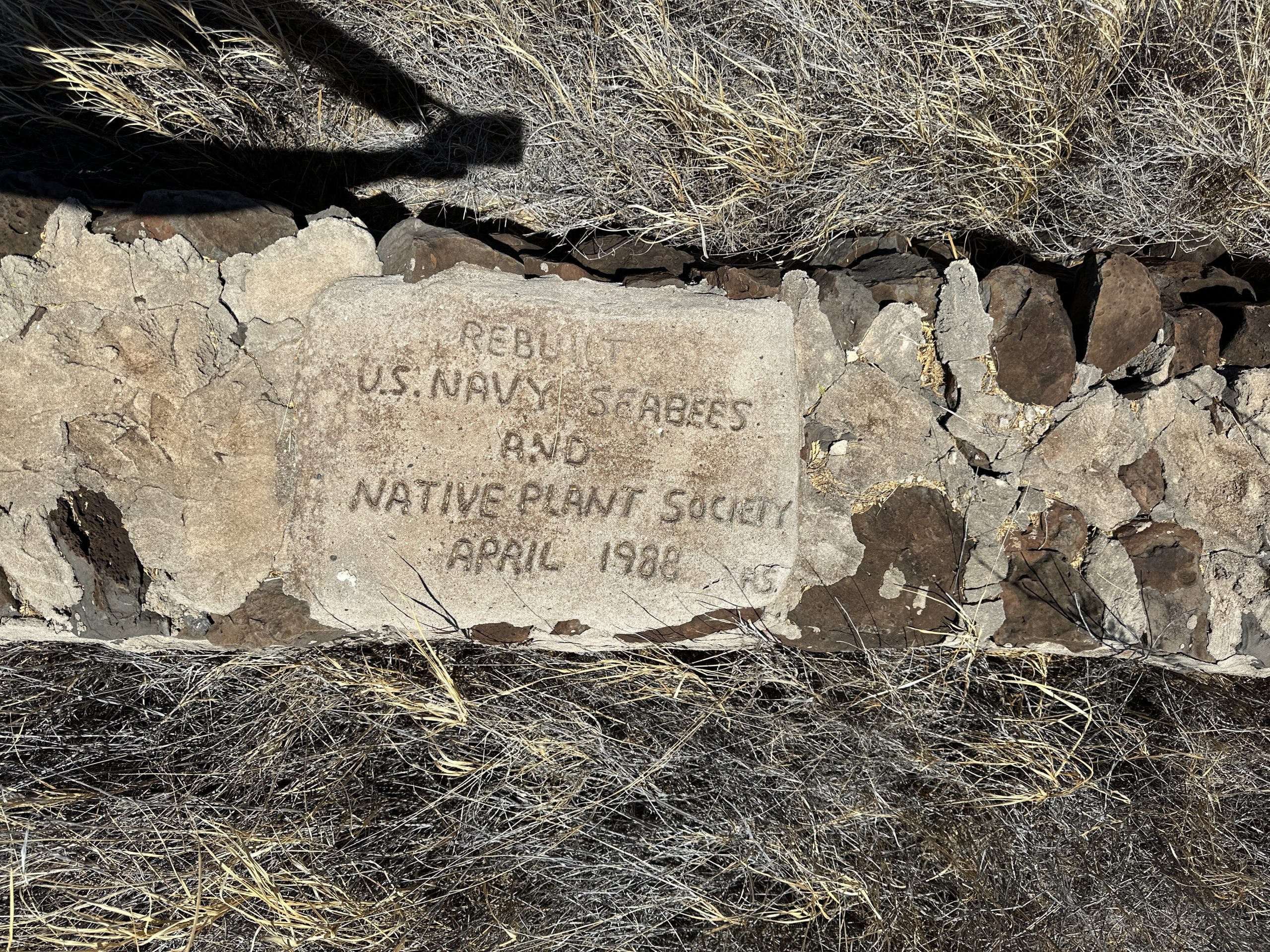
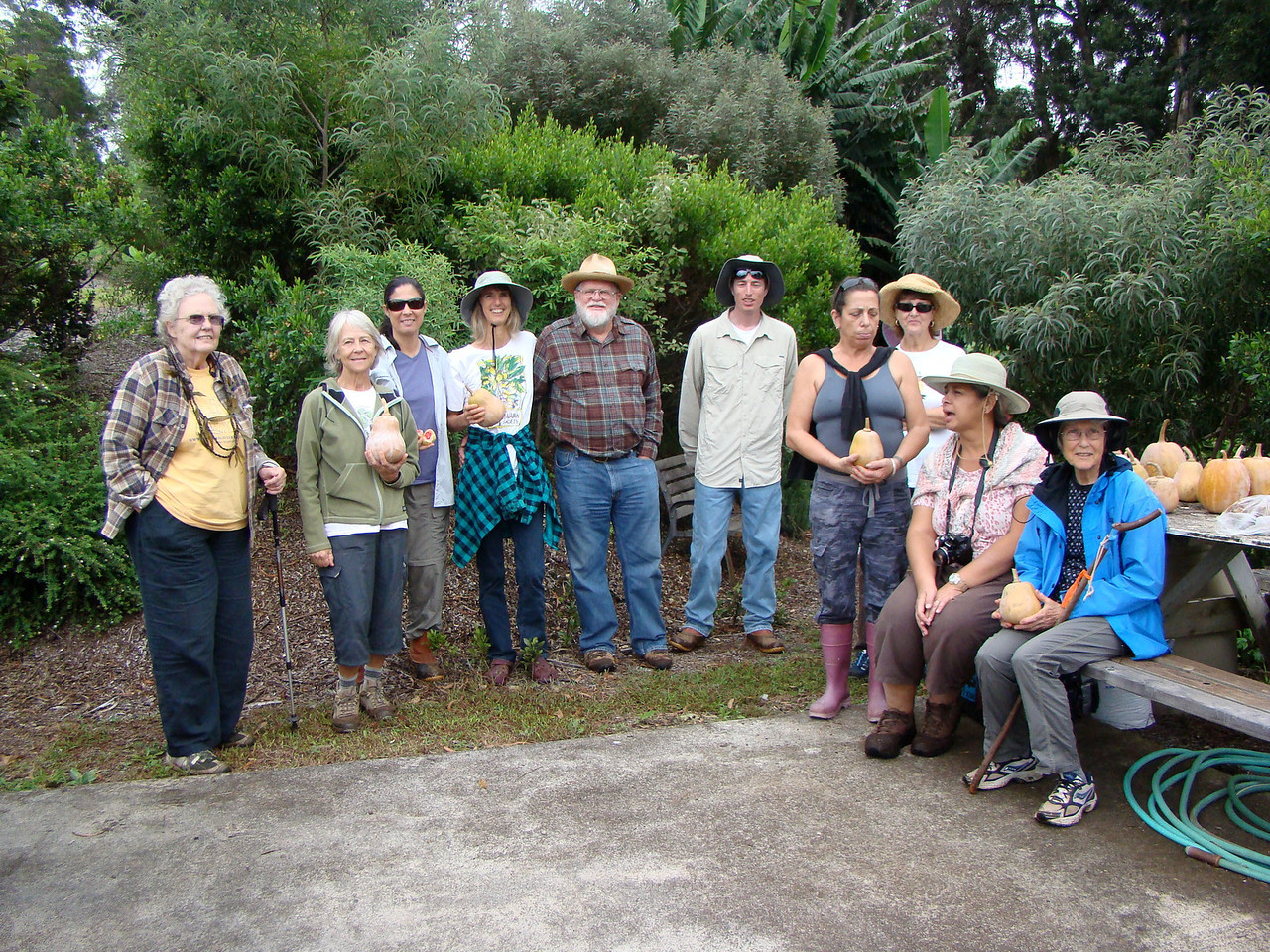
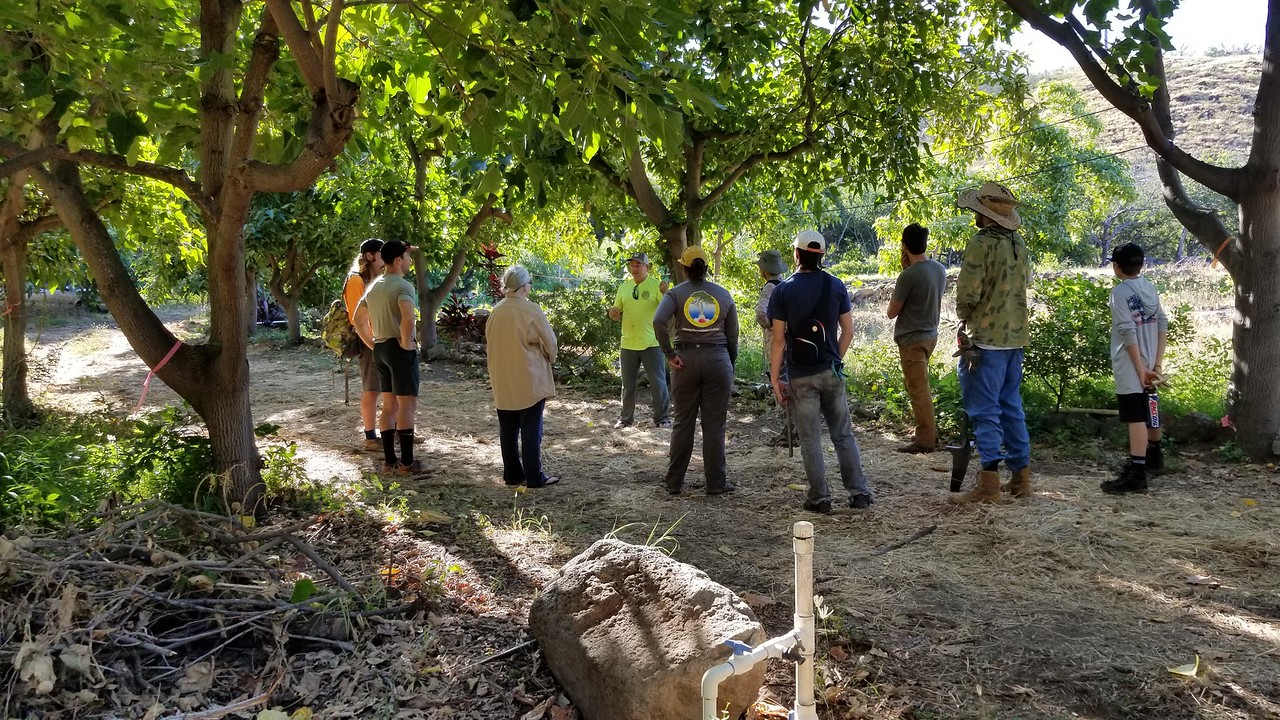
The Native Hawaiian Plant Society (NHPS), a volunteer nonprofit organization based on Maui, was founded in 1984 to protect and restore Hawaiʻi’s unique native flora. The society evolved from earlier conservation efforts led by René Sylva, a self-taught botanist and curator of the Maui Zoological and Botanical Gardens. Sylva mentored many of the next generation of conservationists, sharing both practical field knowledge and a deep respect for native ecosystems. When county support for the gardens declined, he organized the Friends of Maui Botanical Garden, which became the foundation for today’s NHPS. By the late 1980s, the group had established formal leadership and a dedicated membership that helped define its early mission and direction.
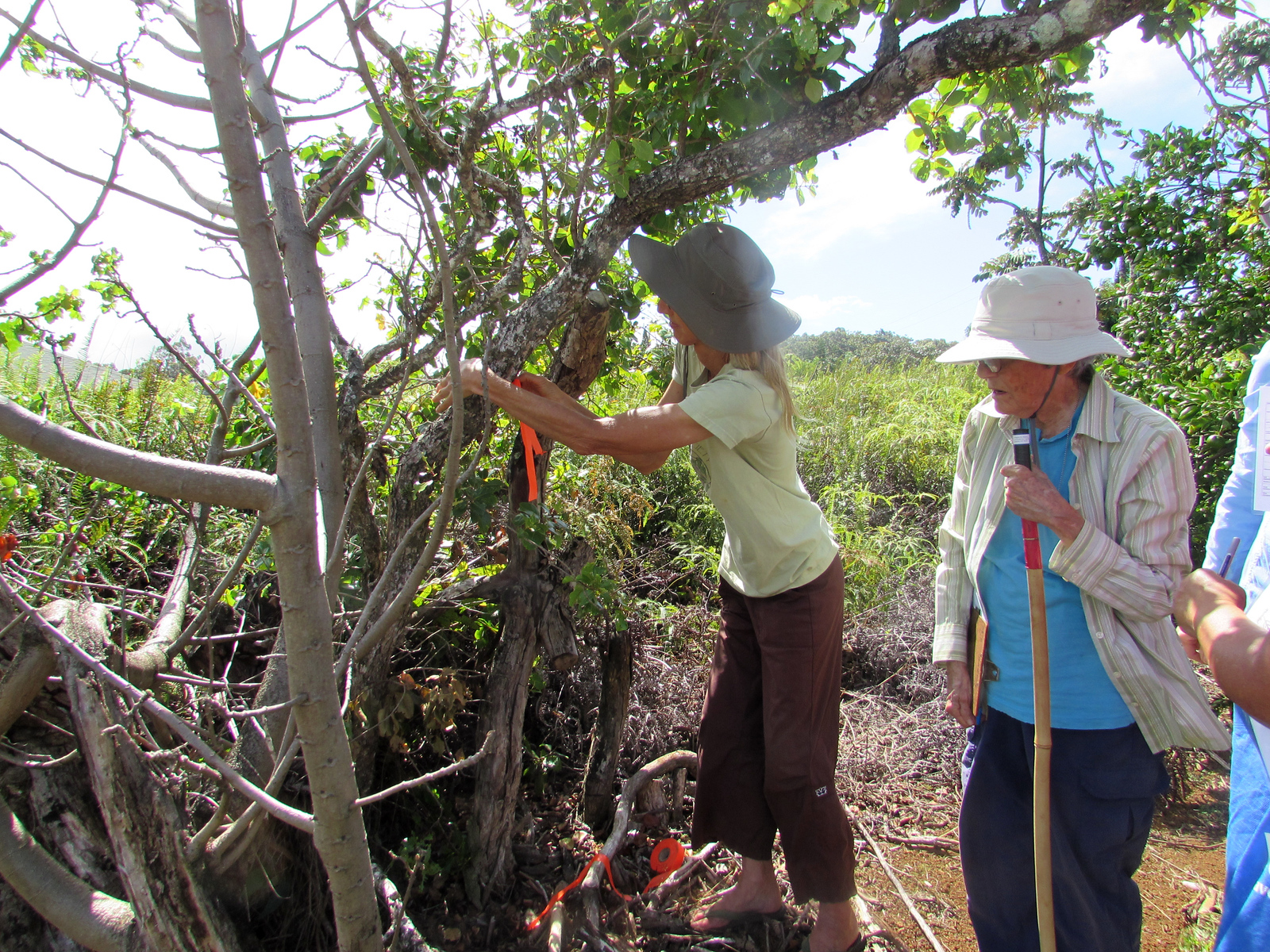
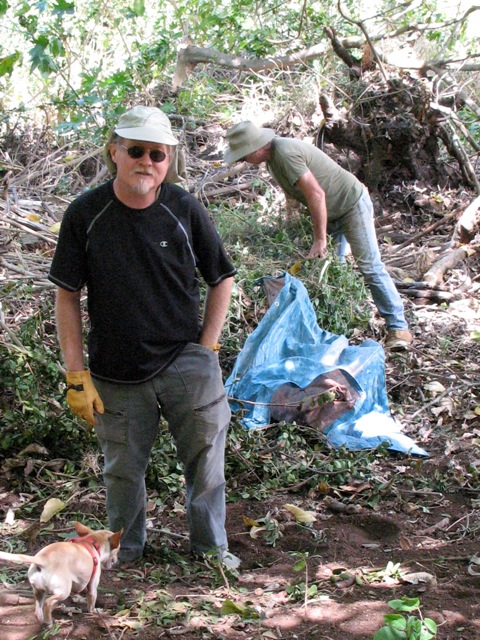
From its inception, NHPS emphasized hands-on conservation through the creation of exclosures—fenced areas designed to protect vulnerable native species from feral animals. In December 1987, NHPS established an exclosure on ʻUlupalakua Ranch land above La Perouse Bay to safeguard species such as awikiwiki (Canavalia pubescens), haʻo(Rauvolfia sandwicensis), wiliwili (Erythrina sandwicensis), and maiapilo (Capparis sandwichiana). Canavalia pubescens was later listed as an endangered species in 2013. Another significant project, the Maʻo Hau Hele Exclosurenear Maʻalaea on West Maui, protects species such as Achyranthes splendens and nehe (Lipochaeta lobata) while controlling invasive species such as koa haole.
NHPS was among the first organizations in Hawaiʻi to employ exclosure fencing around individual plants and associated vegetation. At Auwahi, on the leeward slopes of Haleakalā, members constructed protective fencing for rare and endangered dryland forest trees including mahoe (Alectryon macrococcus var. auwahiensis), holei (Ochrosia haleakalae), alani (Melicope adscendens), ʻiliahi (Santalum haleakalae var. lanaiensis), and mehamehame (Flueggea neowawraeana). These efforts were part of a broader initiative to restore and protect one of Maui’s last remaining lowland dry forests.
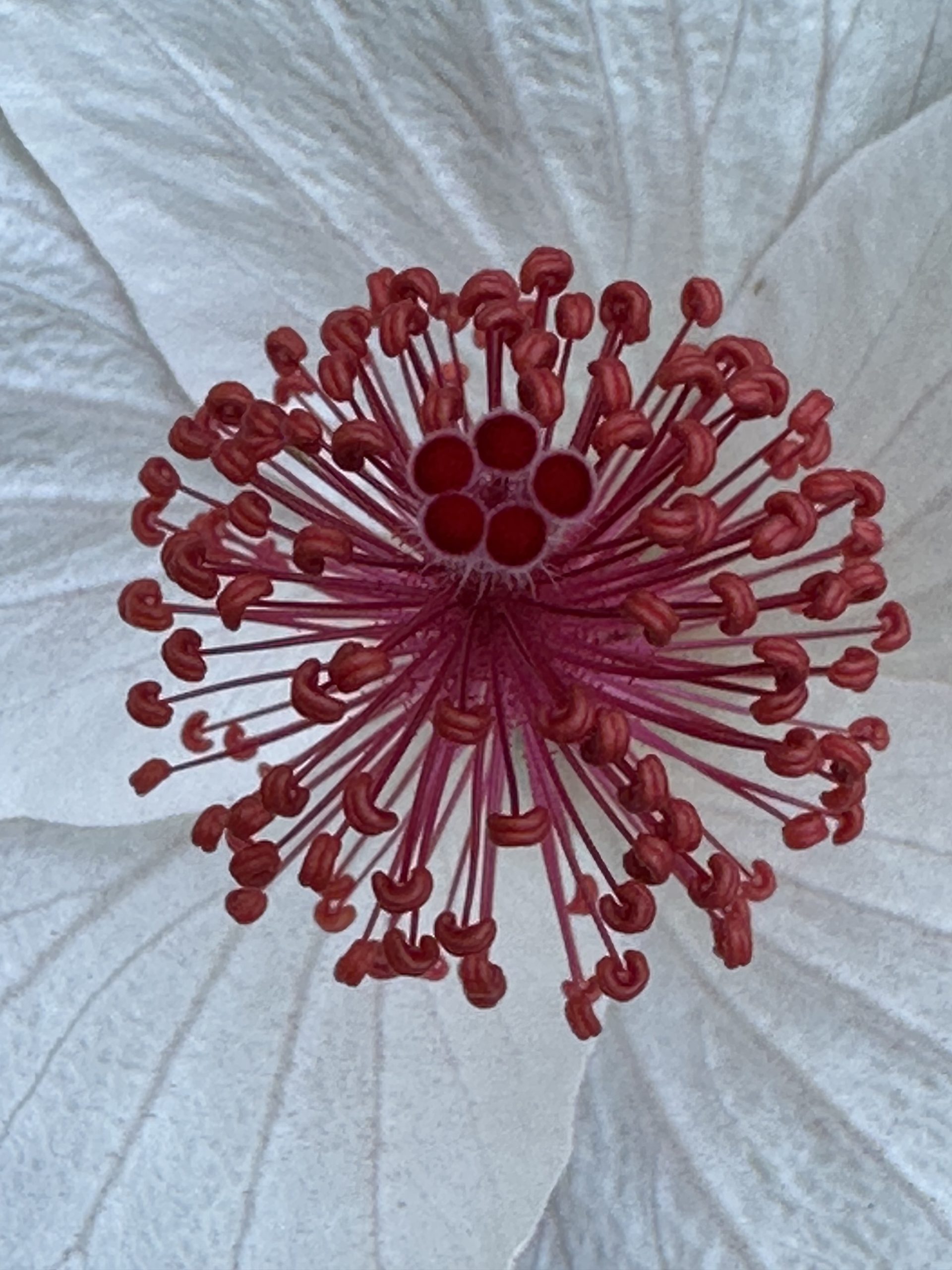
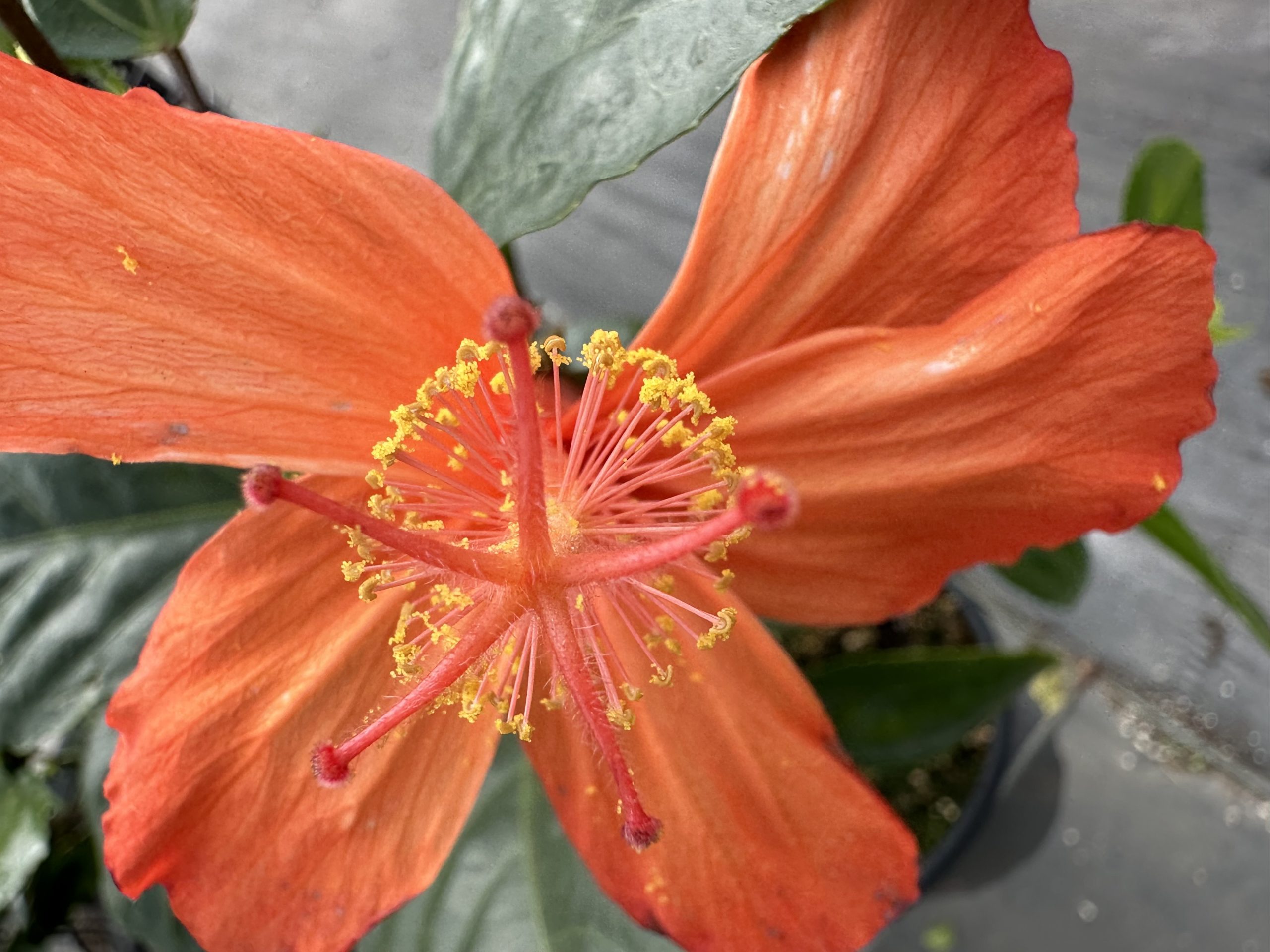
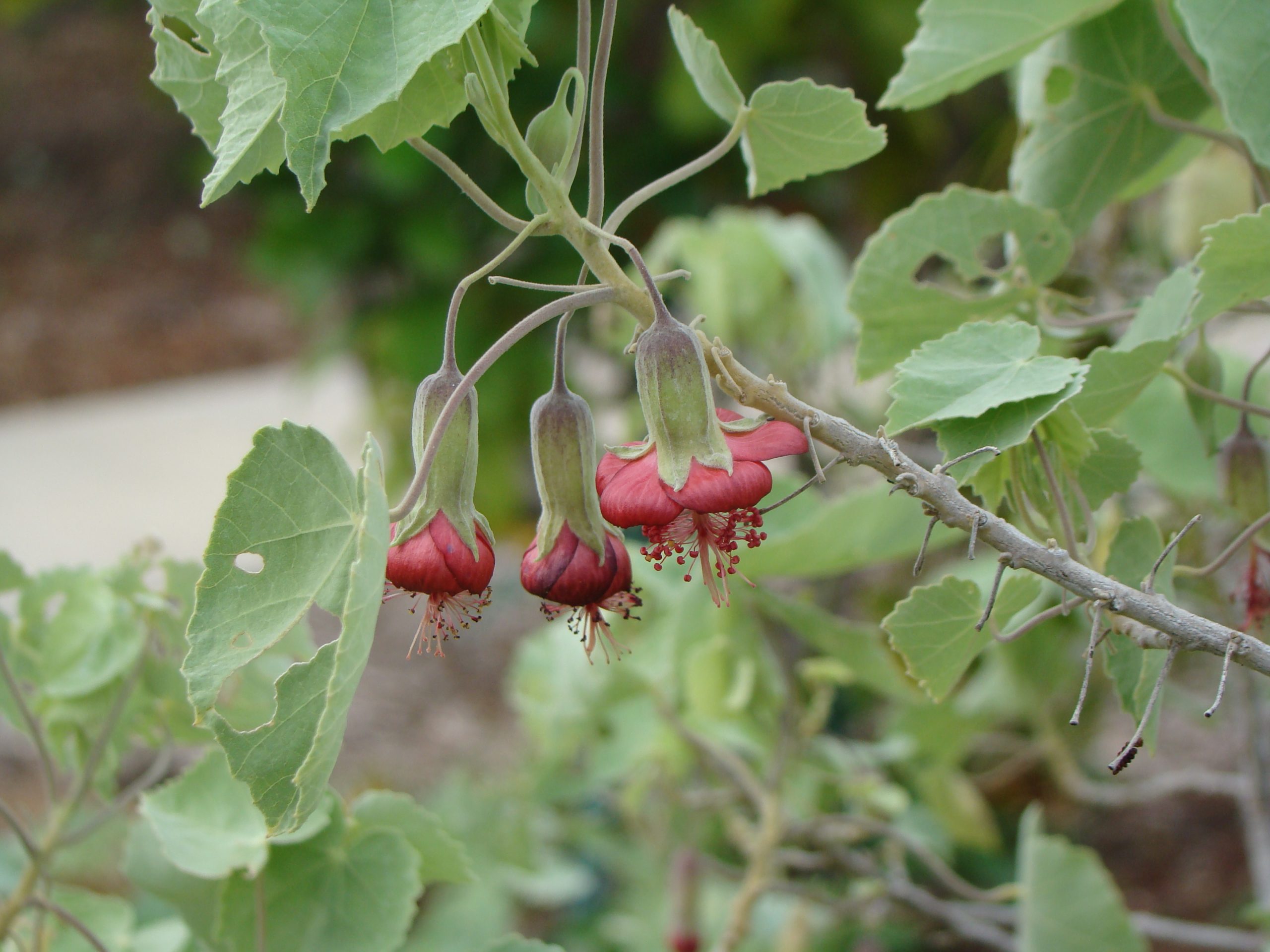
Early members of the Friends of Maui Botanical Garden also extended their work to Lānaʻi, where they fenced the only known individual of hau kuahiwi (Hibiscadelphus crucibracteatus), discovered by Peter Connally and described by Bob Hobdy. An additional exclosure was constructed to protect Hibiscus brackenridgei, Hawaiʻi’s state flower and an endangered species.
In 2000, NHPS volunteers participated in restoration work on Kahoʻolawe, planting thousands of akiaki grass and other native coastal species to stabilize sandy soils and reintroduce native vegetation to degraded areas.
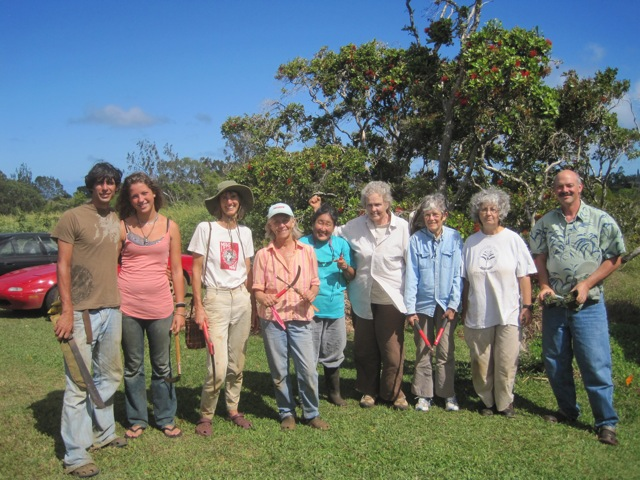
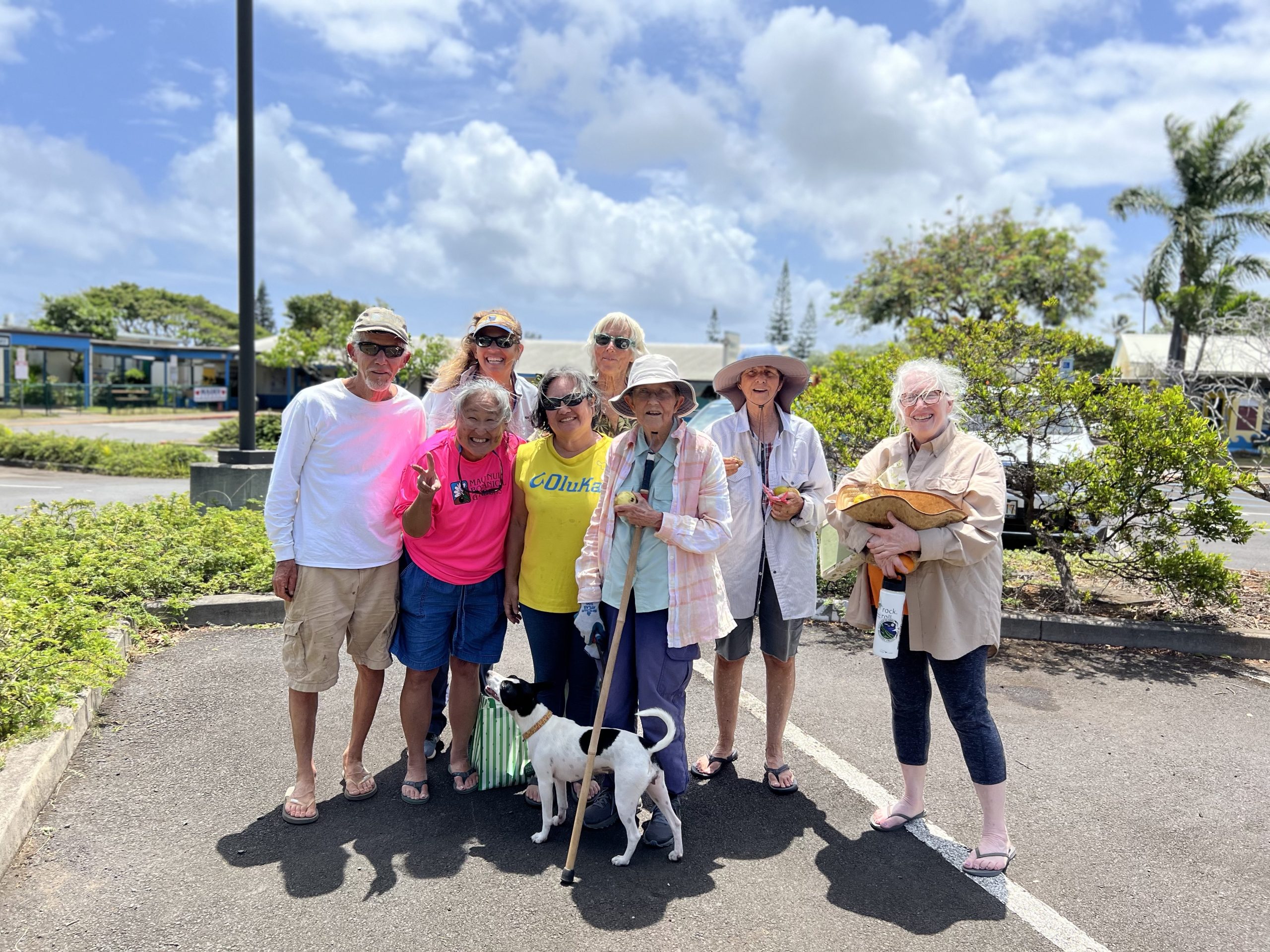
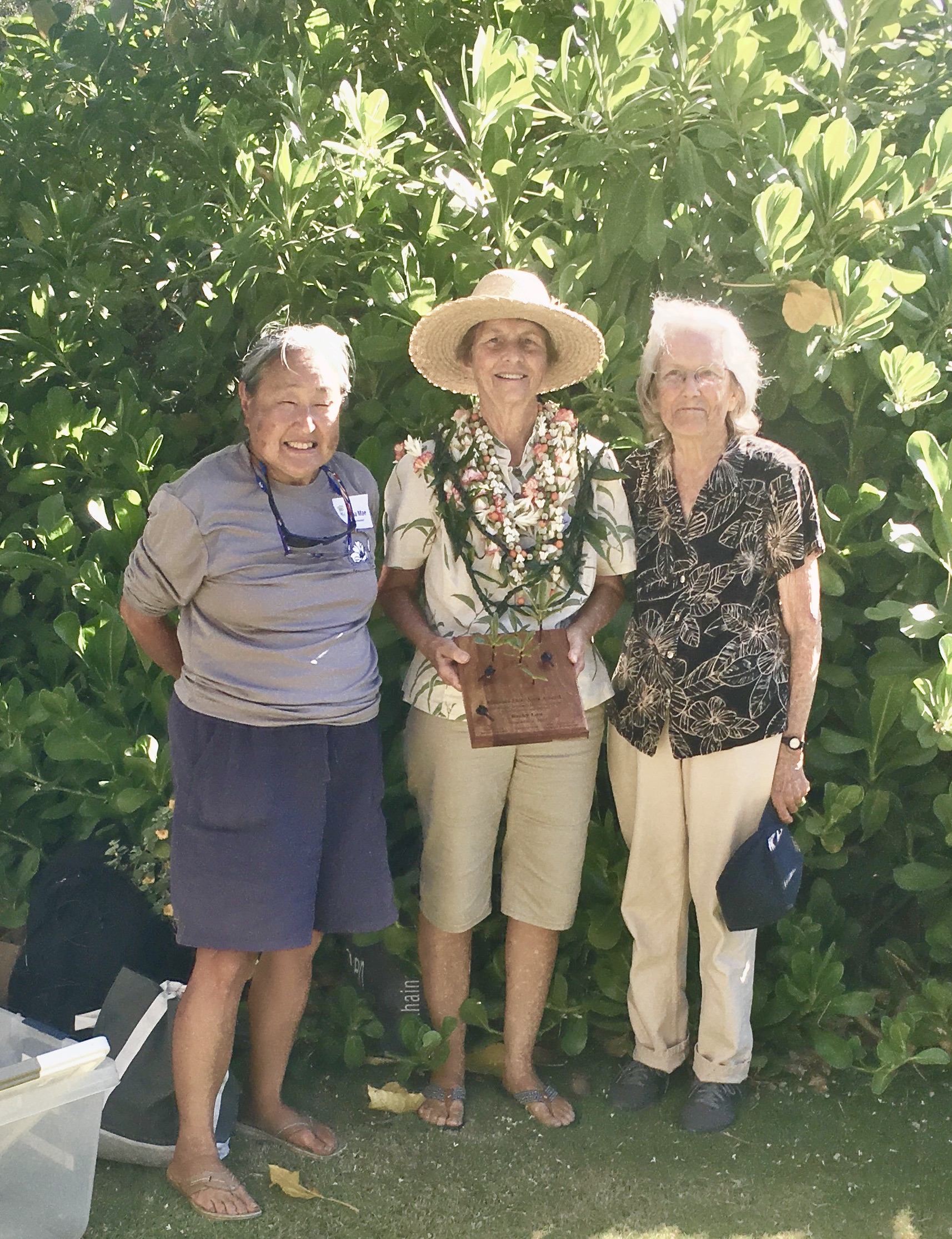
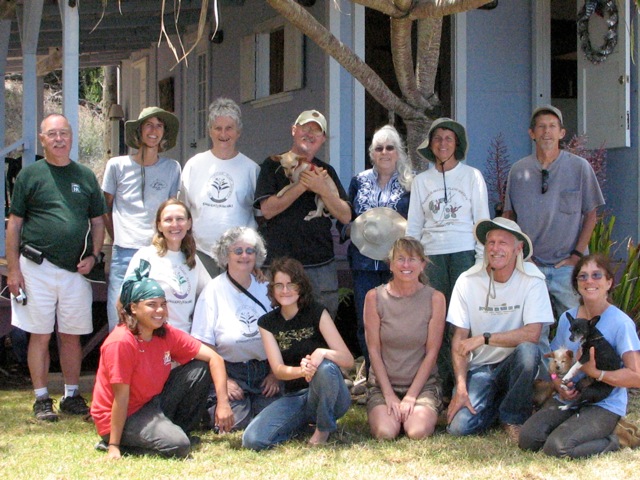
Throughout its history, NHPS has also benefited from the expertise and dedication of numerous respected conservationists. Terry Quisenberry, who was the first volunteer coordinator for resources management in Haleakalā park, contributed leadership and vision in guiding projects; Lorna Harrison was a steady presence in fieldwork and outreach; Martha Vockrodt-Moran of Fleming Arboretum, lent her expertise in restoration techniques; Leslie Hiraga, an education specialist as well as a dependable and active supporter, has helped connect the mission of NHPS to schools and the wider community; Anna Mae Shishido, former Maui Port Supervisor for the Plant Quarantine Branch, has been an important partner in safeguarding Hawai‘i’s ecosystems through her work in preventing the introduction of harmful pests and plants; Chuck Chimera brings his expertise in invasive species management; and Martha Martin, our NHPS president, has shared both time and talent in education and on-the-ground conservation. Ed Tamayose, a retired farmer who became a dedicated volunteer with NHPS and many other conservation organizations, is fondly remembered for his tireless contributions—often joined by his daughter Joy, now serving on the NHPS board, on countless planting adventures that strengthened both landscapes and community bonds. The society also draws great strength from the enthusiasm and perseverance of Irene Newhouse, whose tireless volunteer coordination and organizational skills left a lasting mark on NHPS and whose memory continues to inspire ongoing efforts.
Bob Hobdy, a veteran forester remembered for his deep understanding of Hawaiian ecosystems, generously shared his knowledge throughout his life. Richard Nakagawa managed the State nursery near Kahului Airport and propagated a huge variety of plants which he gave away freely to Mauians all while managing some of the exclosures mentioned previously. Hank Oppenheimer, a leading botanist and rare plant specialist (who currently manages the awikiwiki and hibiscus exclosures), has provided critical field knowledge; Pat Bily of The Nature Conservancy has contributed to large-scale habitat protection and biologists Forest and Kim Starr have documented invasive species and monitored restoration efforts across Maui, while Anna Palomino continues to supply and advocate for native plant use from the State of Hawaii Olinda Rare Plant facility. Becky Lau, beyond her treasury role, has served as a long-standing ambassador for NHPS’s mission, engaging schools, volunteers, and the wider community. Fern Duvall, a wildlife biologist and conservation advocate fondly remembered for his contributions, lent his expertise and support to NHPS projects, strengthening ties between plant conservation and broader ecosystem restoration. Tamara Sherrill, now Director of Maui Nui Botanical Gardens and recipient of the 2016 Mālama i ka ʻĀina Award, first joined the Native Hawaiian Plant Society after meeting fellow native plant enthusiasts while landscaping along the Wailea Point Seawalk—a step that led to her long career in conservation and ultimately to her role as Nursery Manager, Curator, and leader in promoting and protecting Hawaiʻi’s native flora. individuals form a network of passionate advocates who have strengthened NHPS’s impact on the preservation of Hawai‘i’s native plants.
Collectively, these individuals have not only advanced NHPS’s mission but also mentored newer members, ensuring the society’s legacy of hands-on stewardship, education, and community involvement endures.