Native Hawaiian plants offer many benefits that go beyond their beauty in your garden.
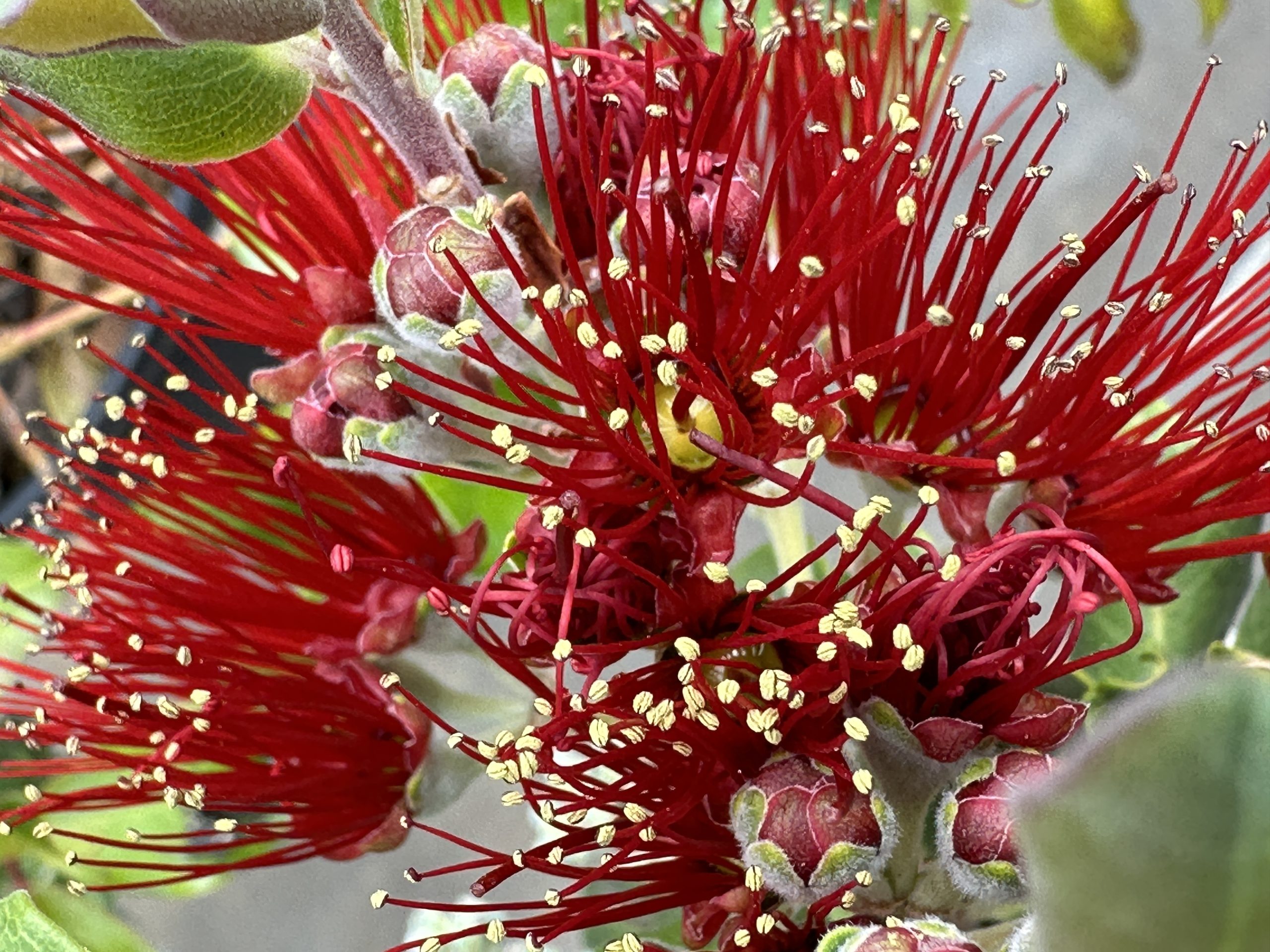
1) Protect and replenish our islands’ aquifers. Native species have evolved to thrive in Hawai‘i’s unique climate and play a crucial role in water conservation. The ʻōhiʻa tree, for example, has a canopy that slows rainfall, giving more time for water to seep into the ground, where it’s filtered and stored in underground aquifers. In this way, native plants help safeguard the fresh water we all depend on.
2) They spread to fill available space, they naturally suppress weeds and reduce the need for constant upkeep.
3) Adapted to Hawaiʻi’s unique climate, they typically require less watering once established.
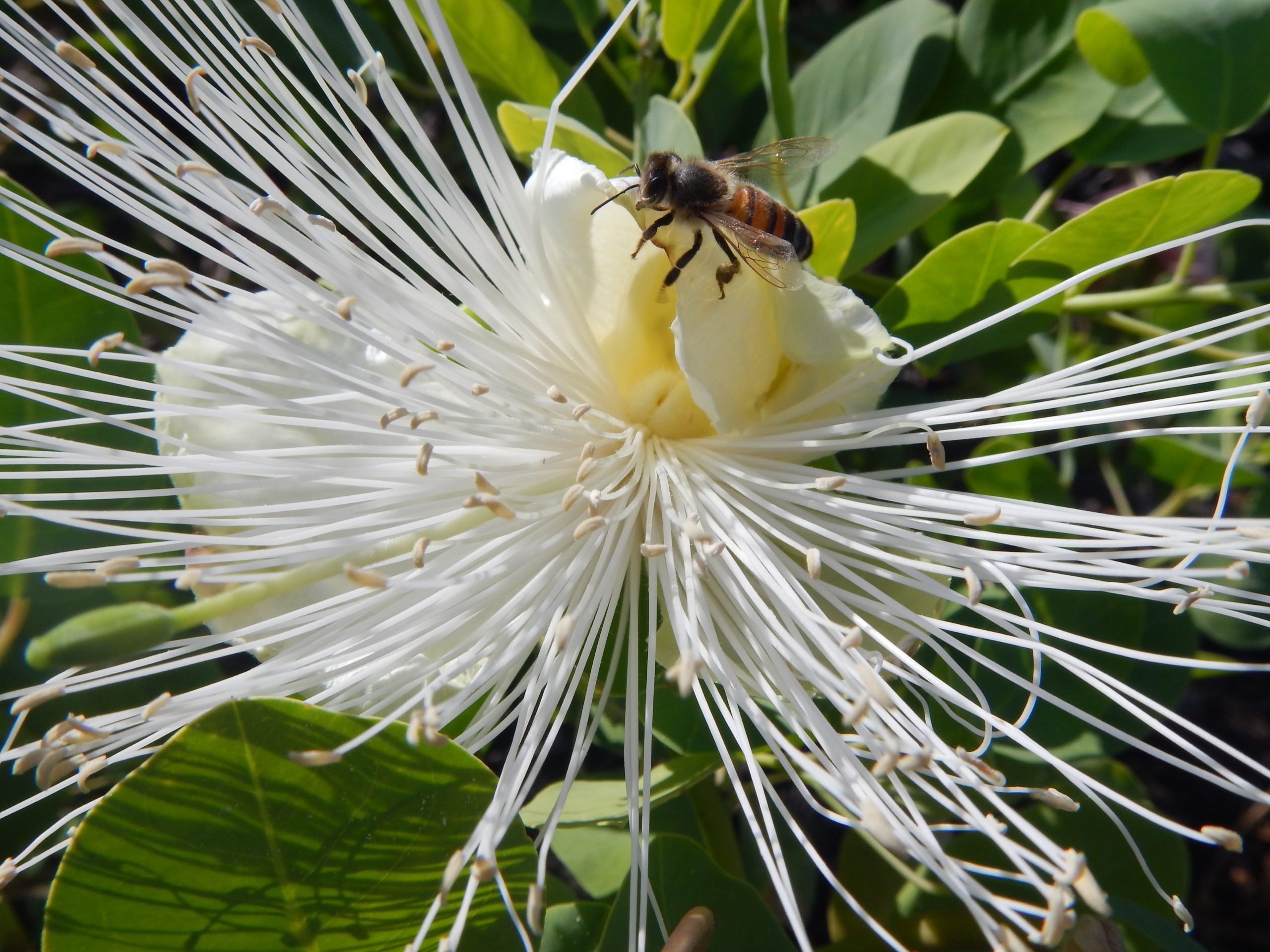
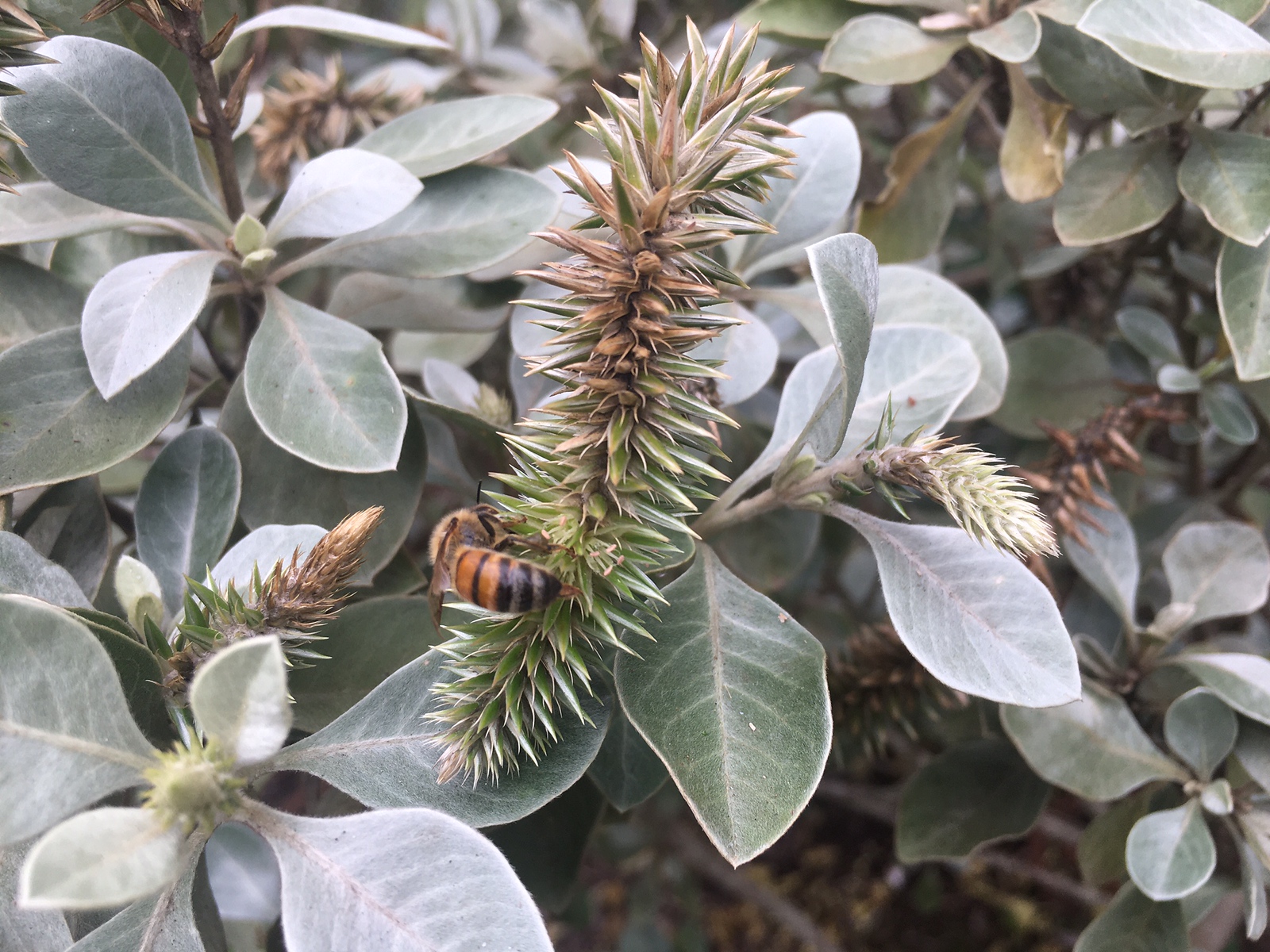
4) They also play an essential role in supporting native pollinators—such as bees, moths, butterflies, and beetles—by serving as host plants for eggs, larvae, and adults, feeding them at multiple stages of development.
5) Many native plants hold deep meaning in Hawaiian traditions, featuring in stories, chants, and ceremonies, and serving as sources for food, medicine, and materials. Planting them is not only an ecological choice but also a way to honor and perpetuate the cultural heritage of Hawaiʻi.
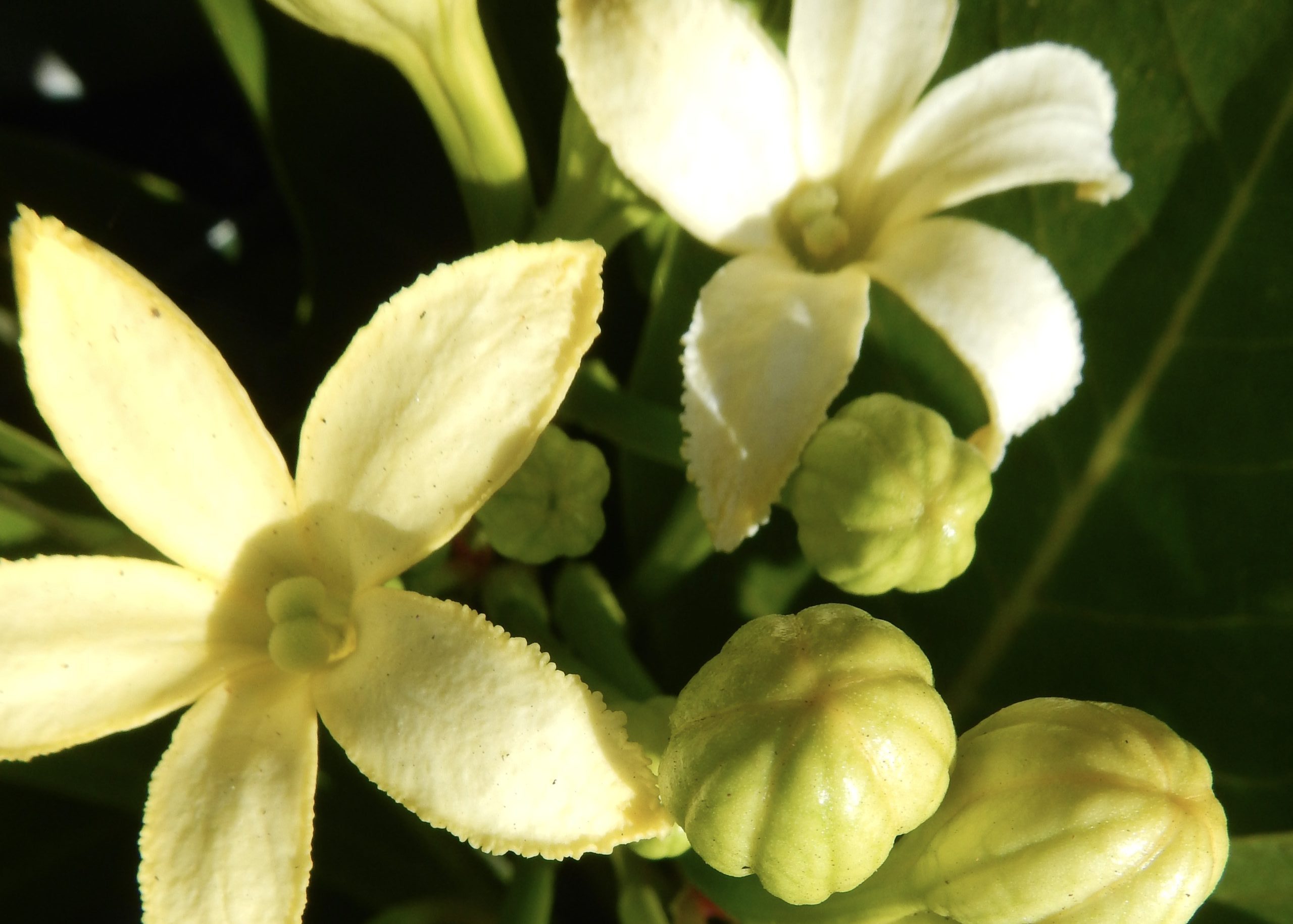
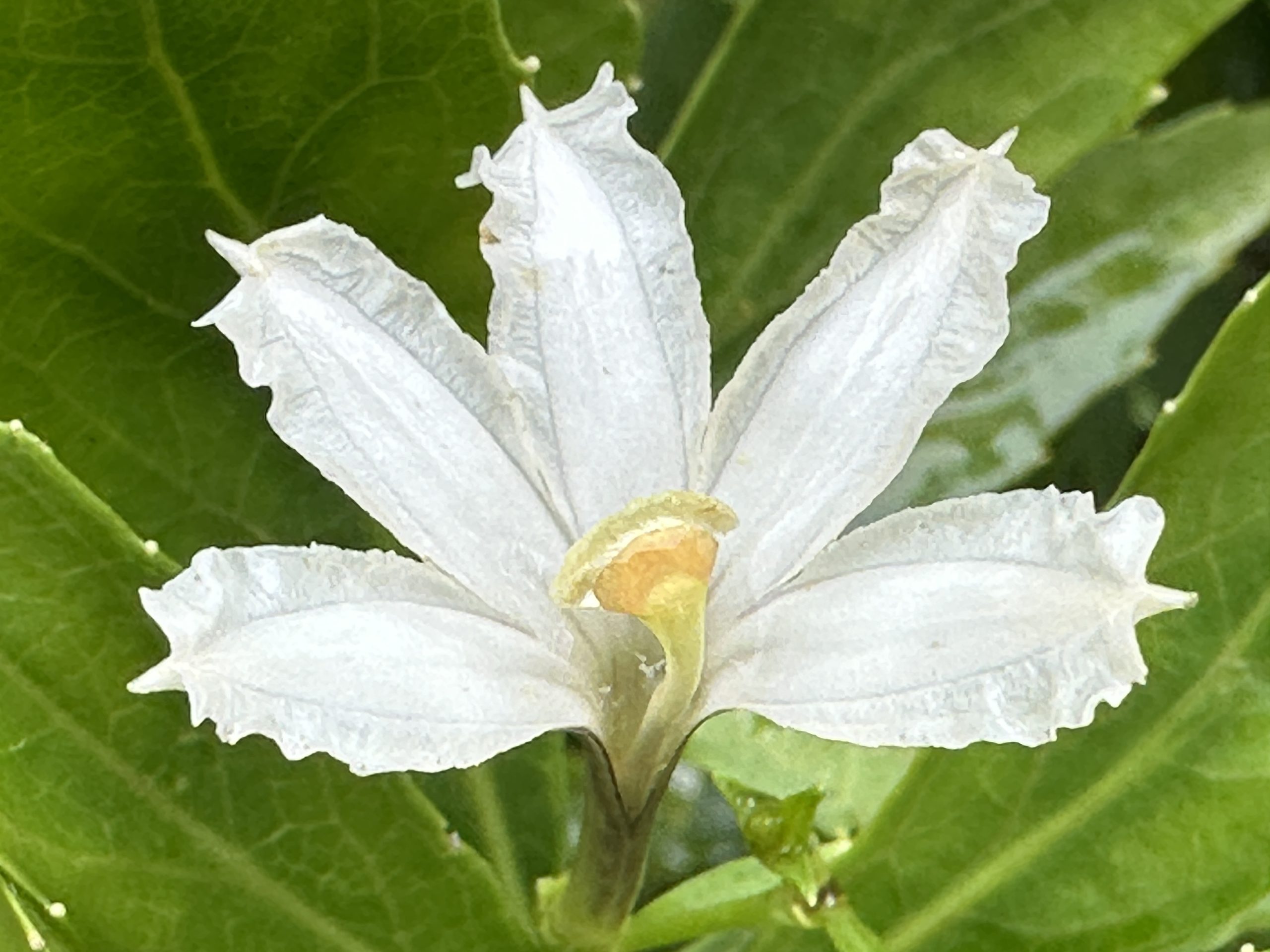
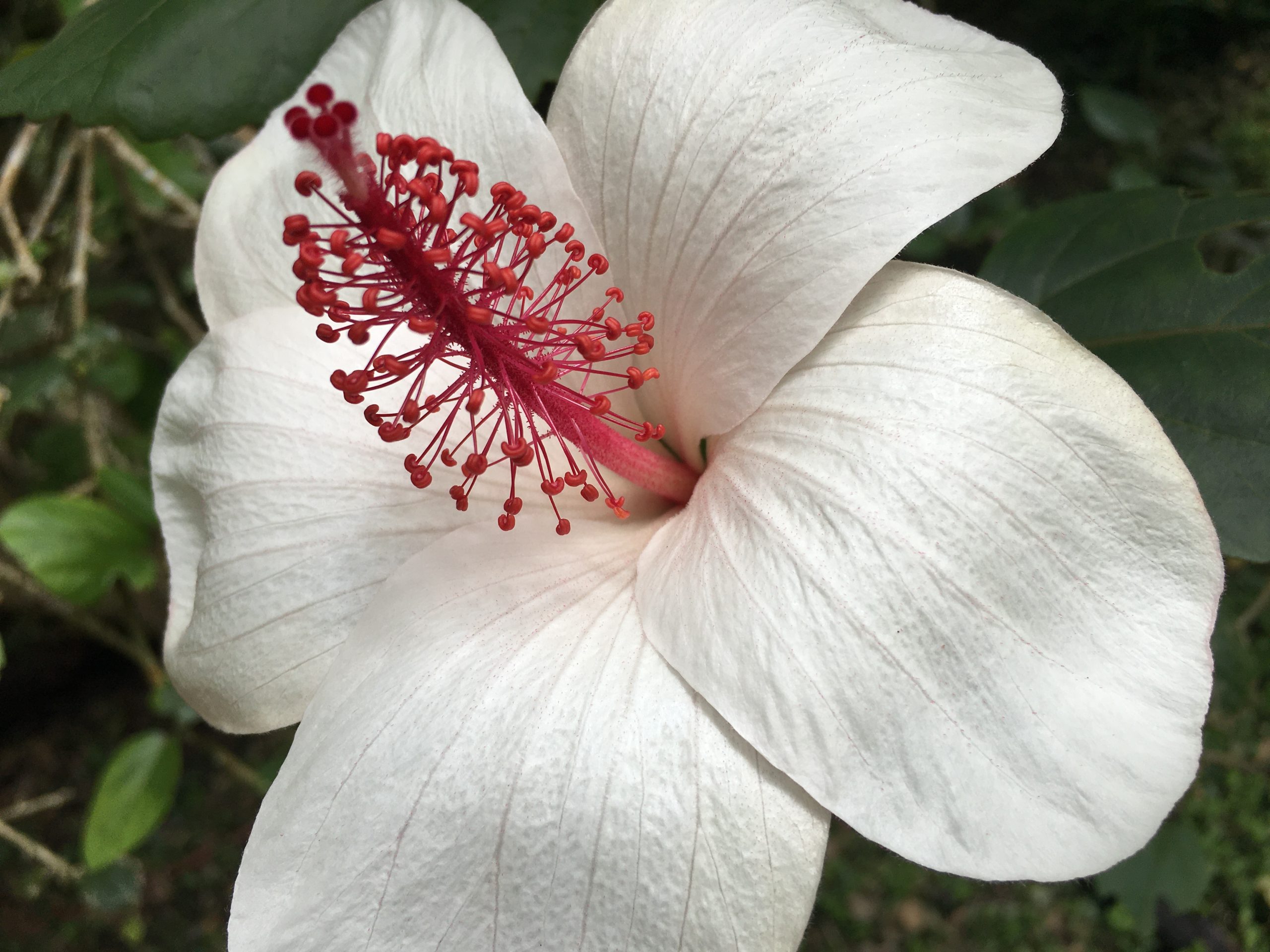
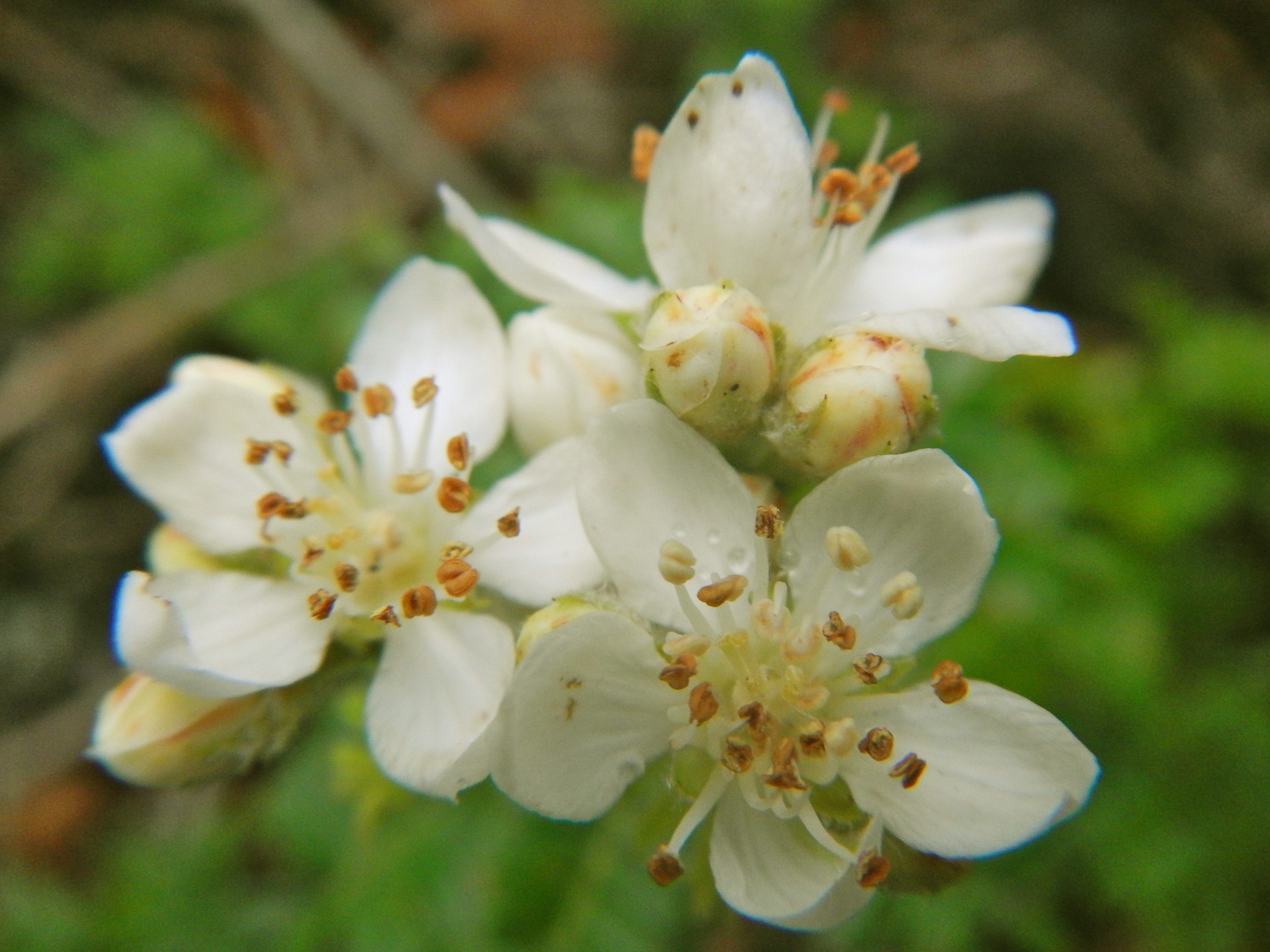
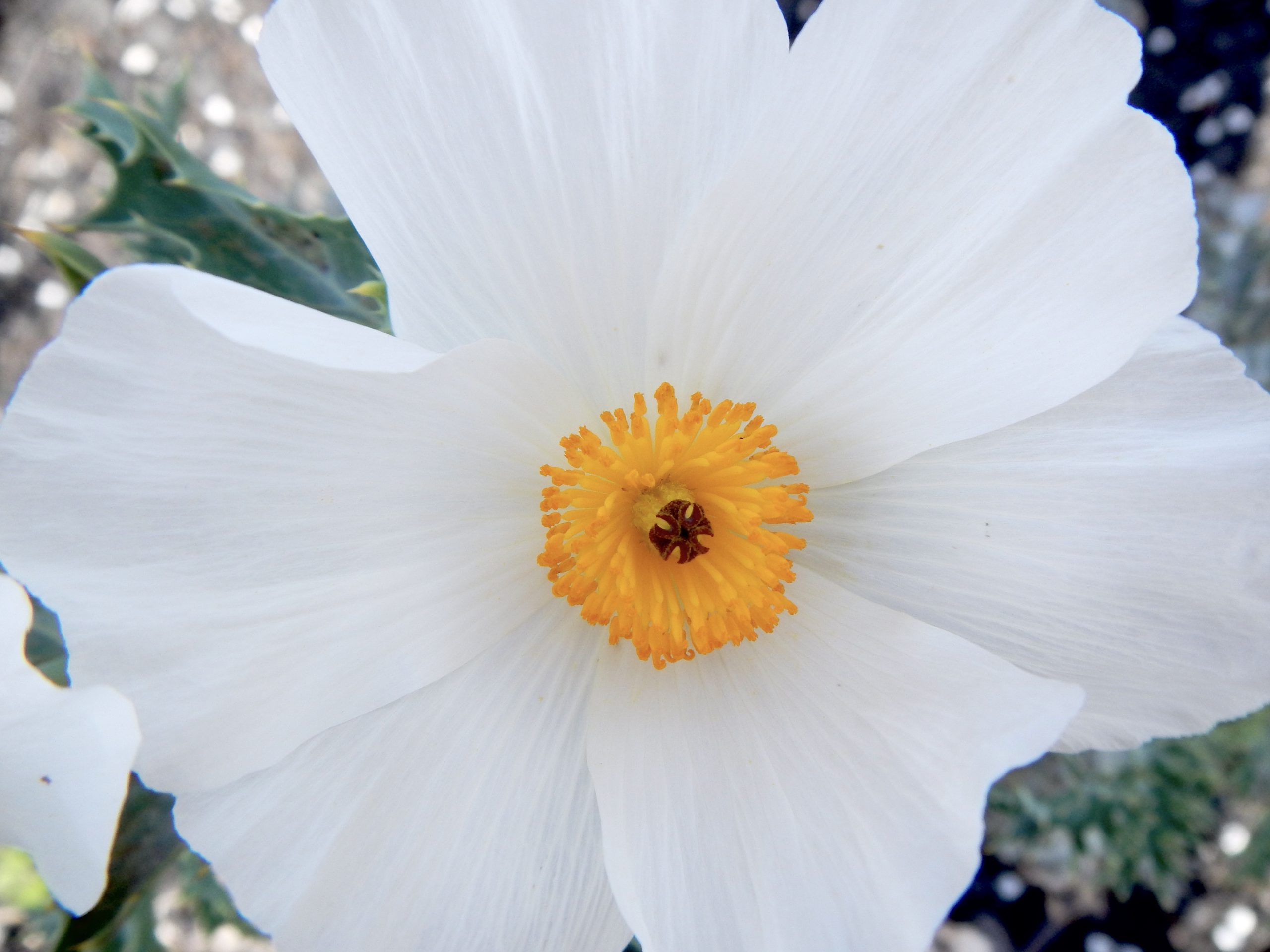
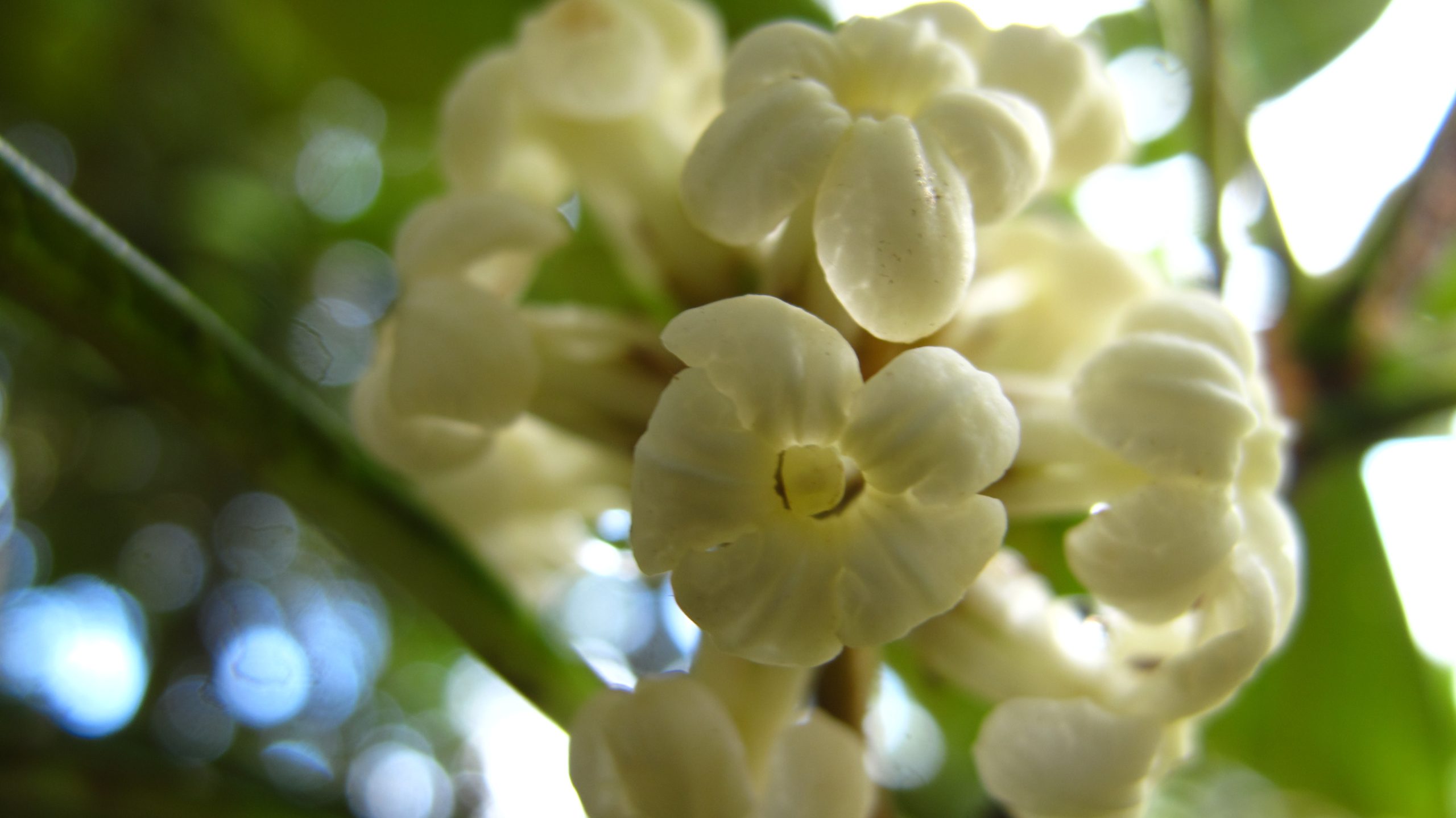
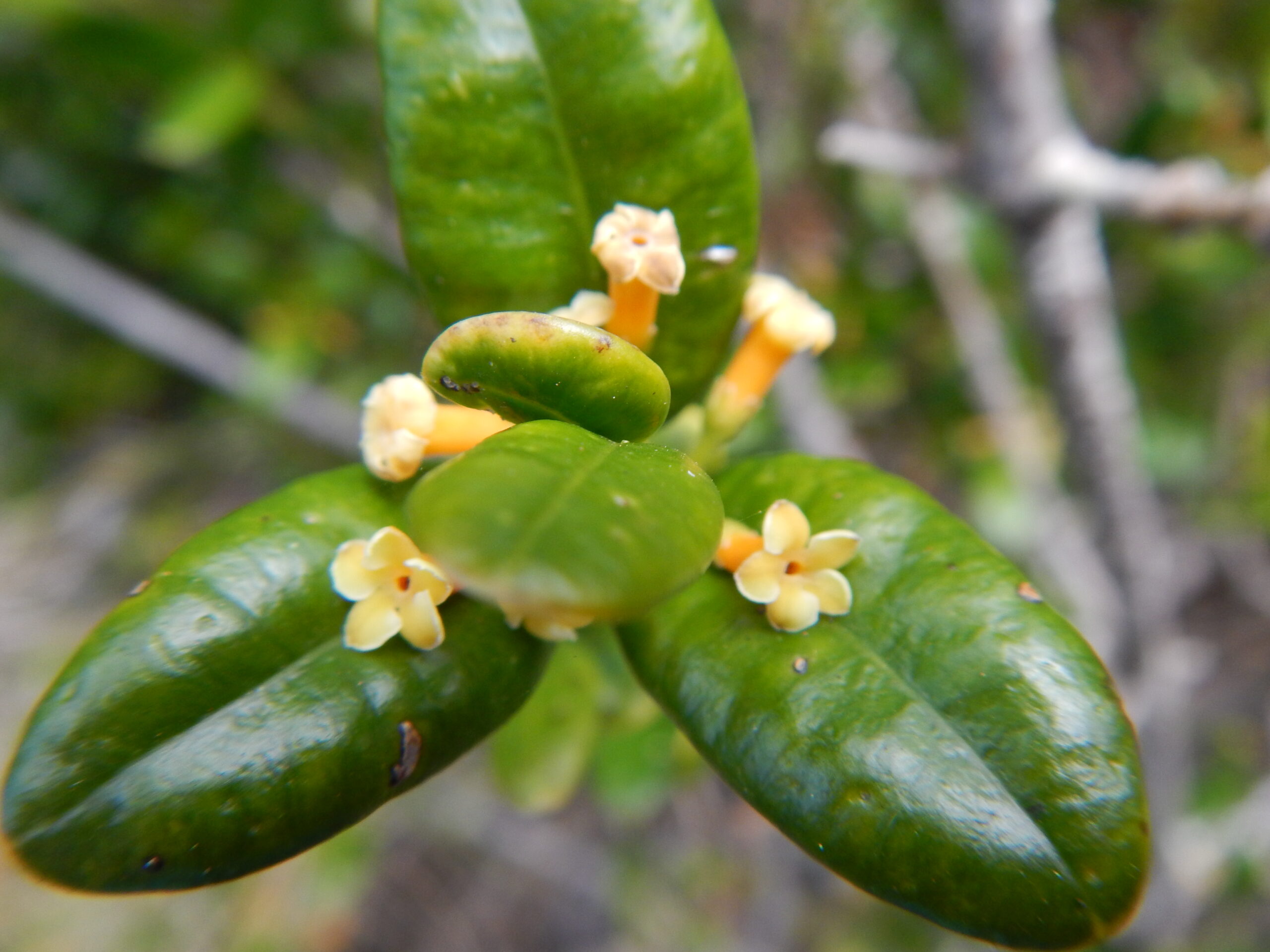
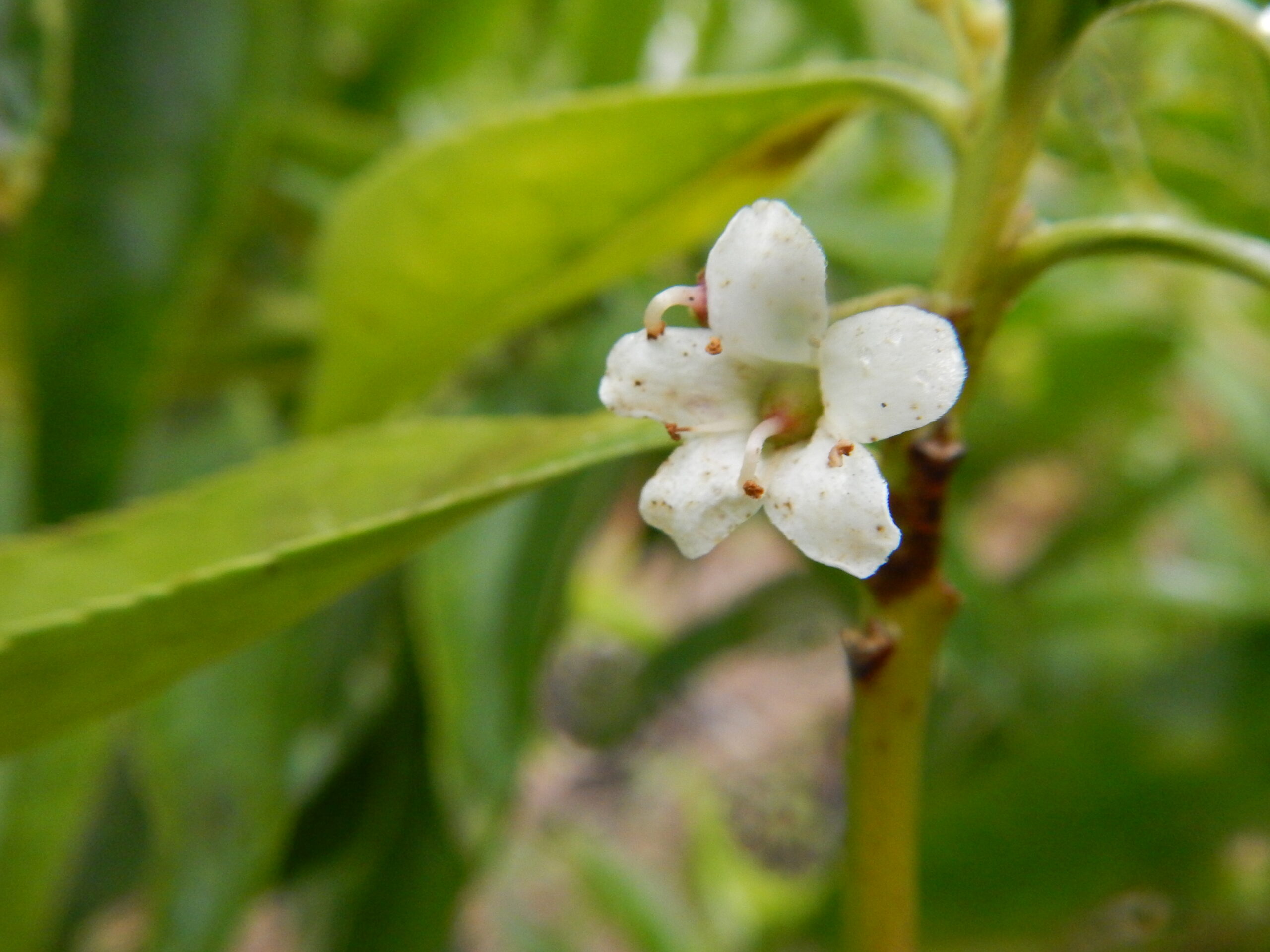
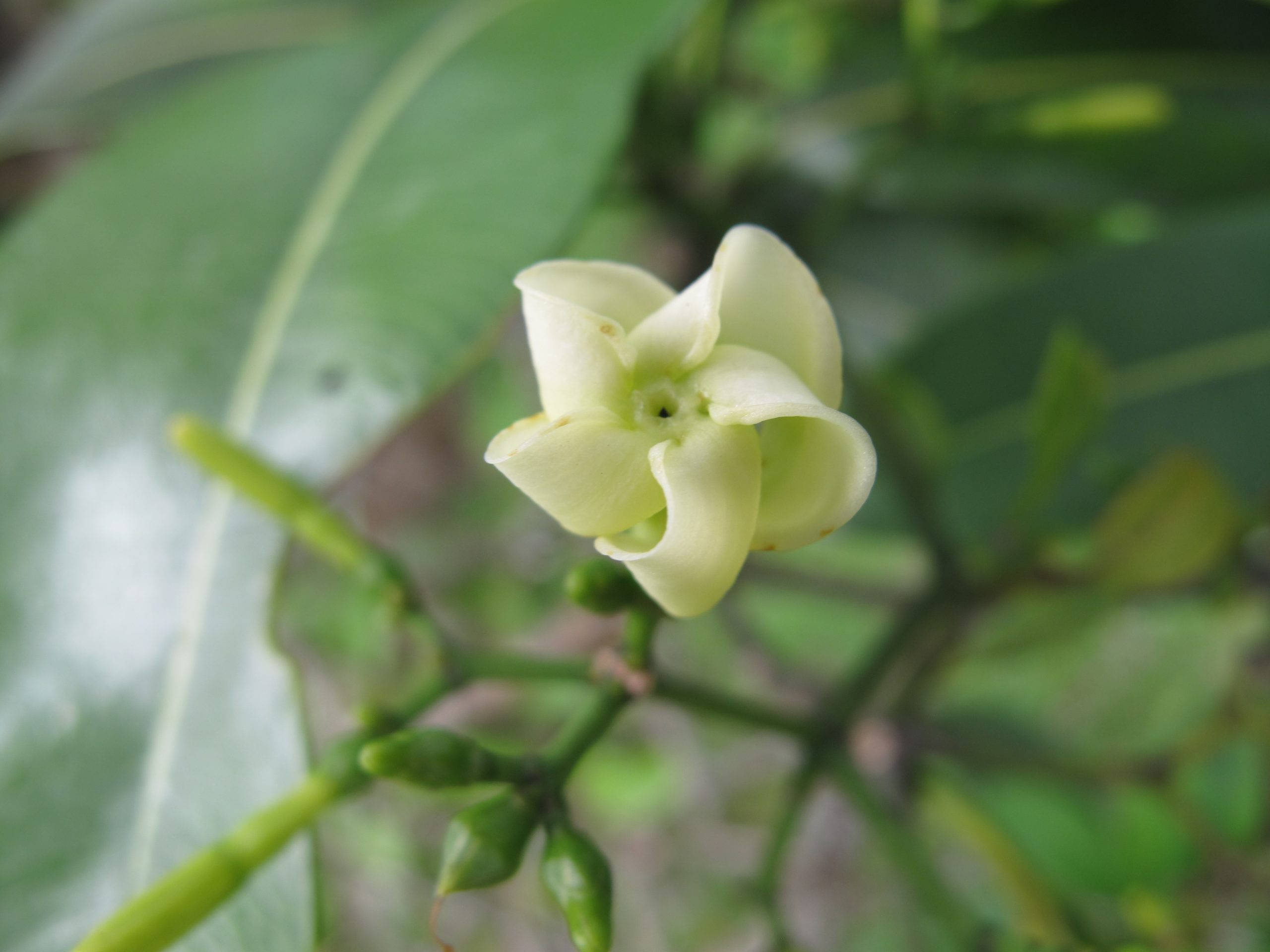
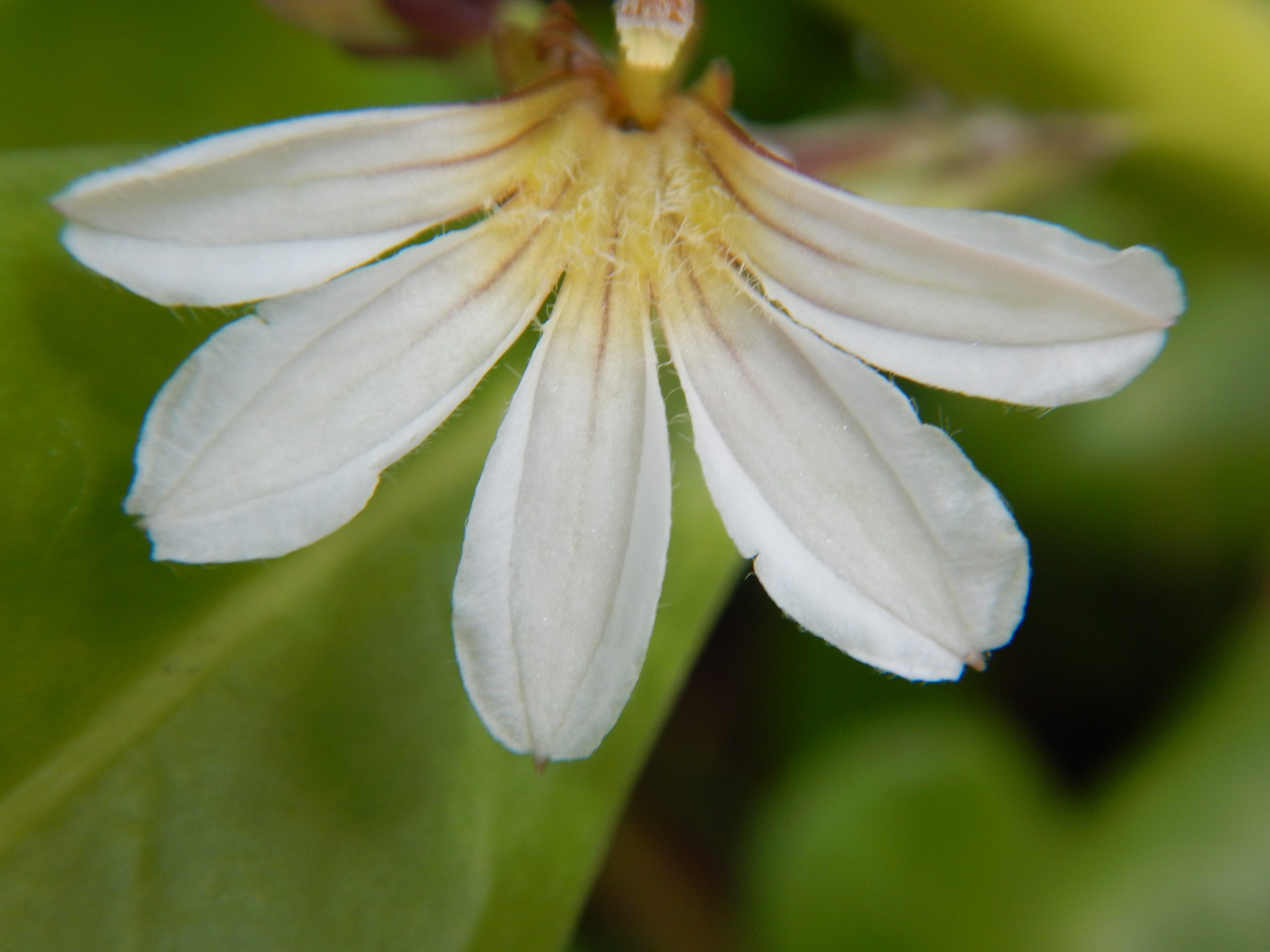
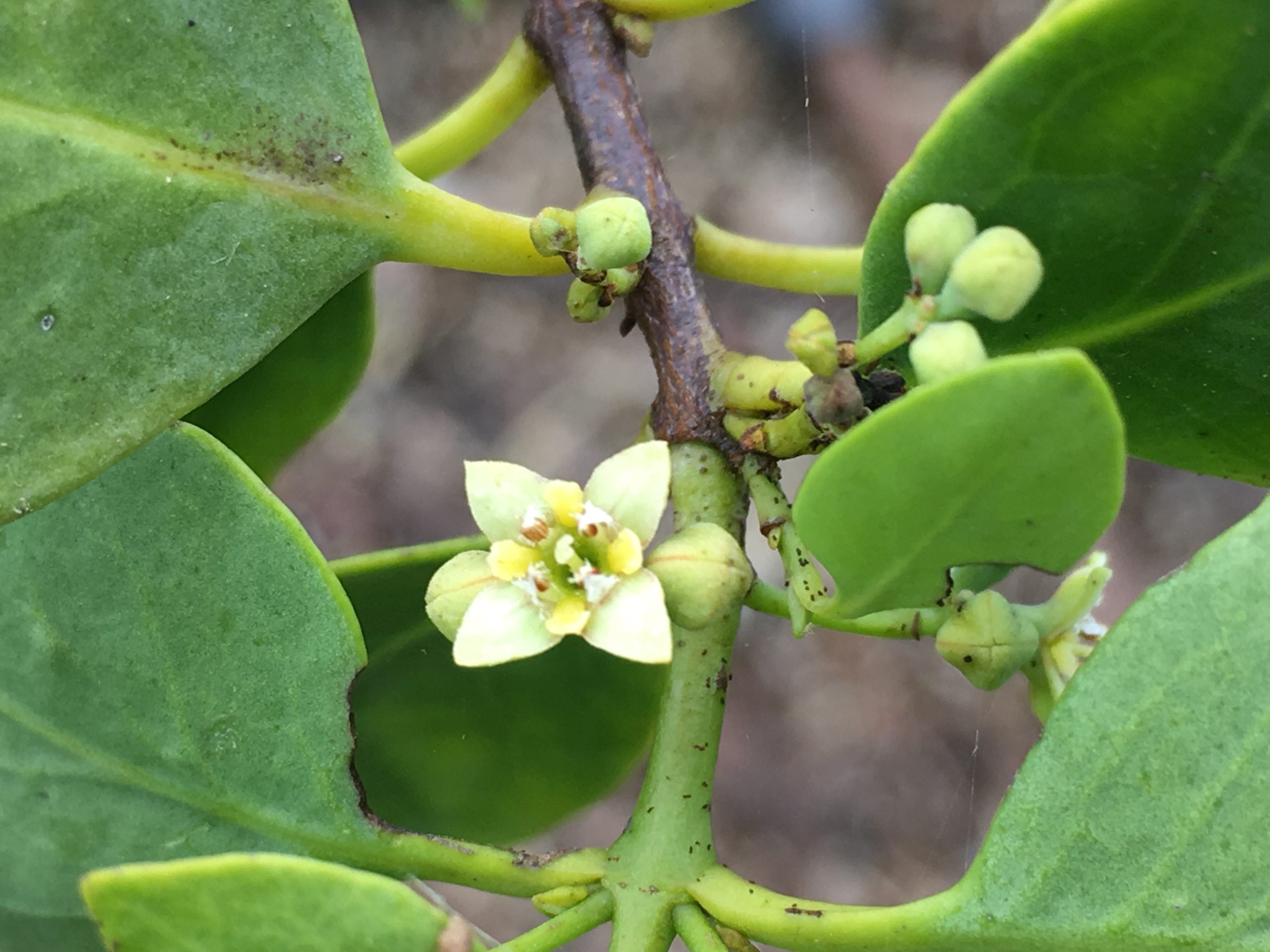
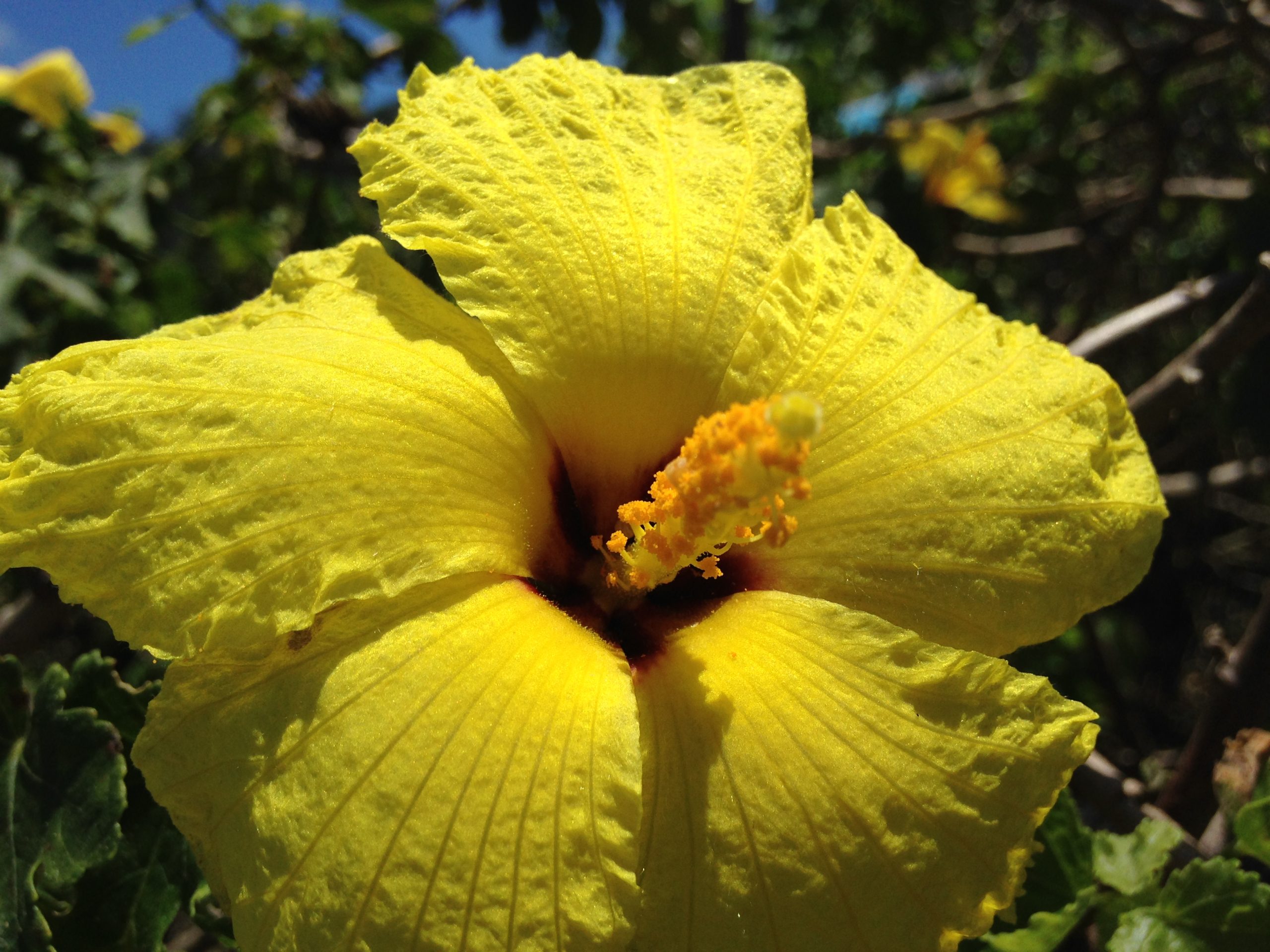
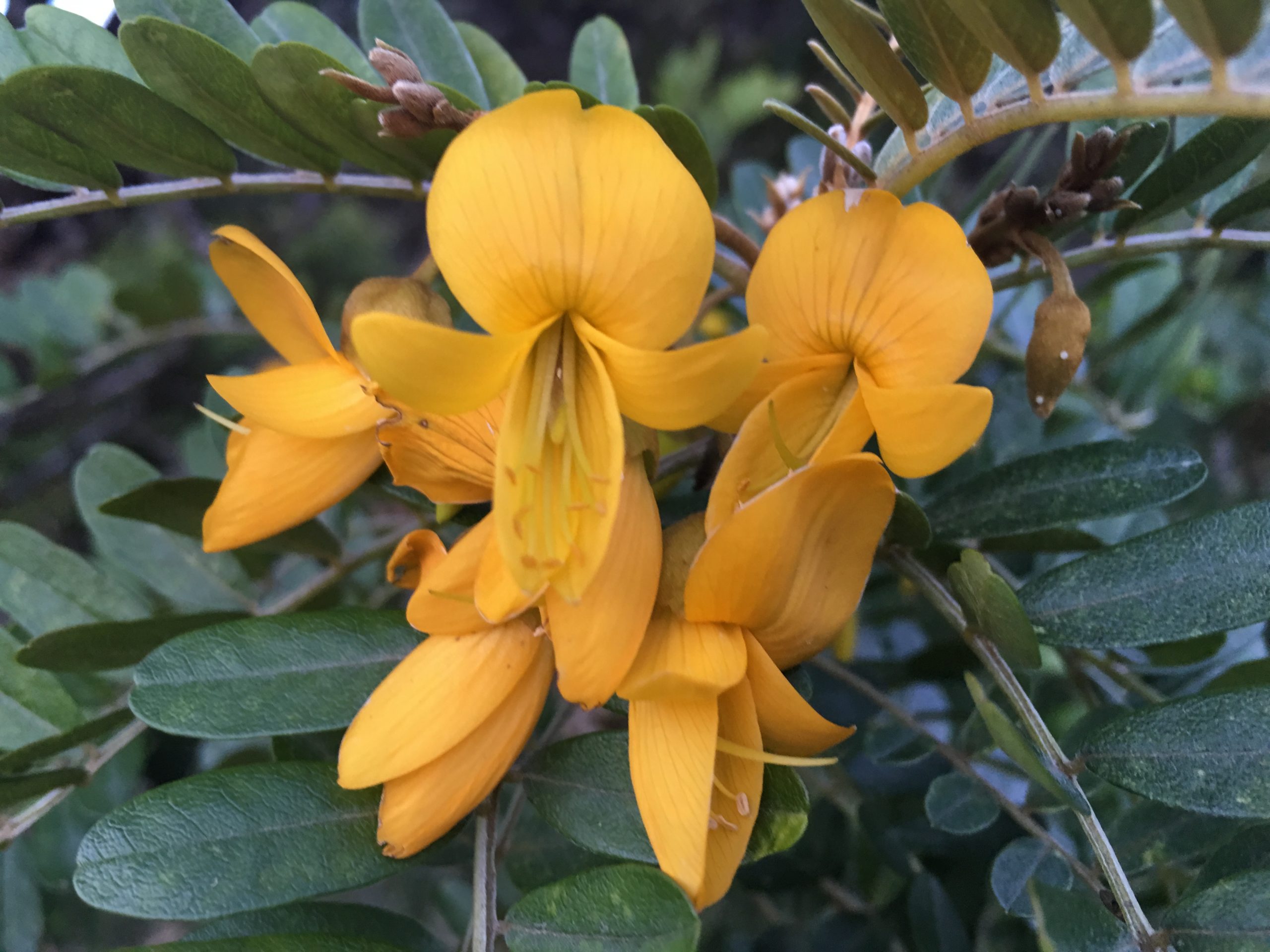
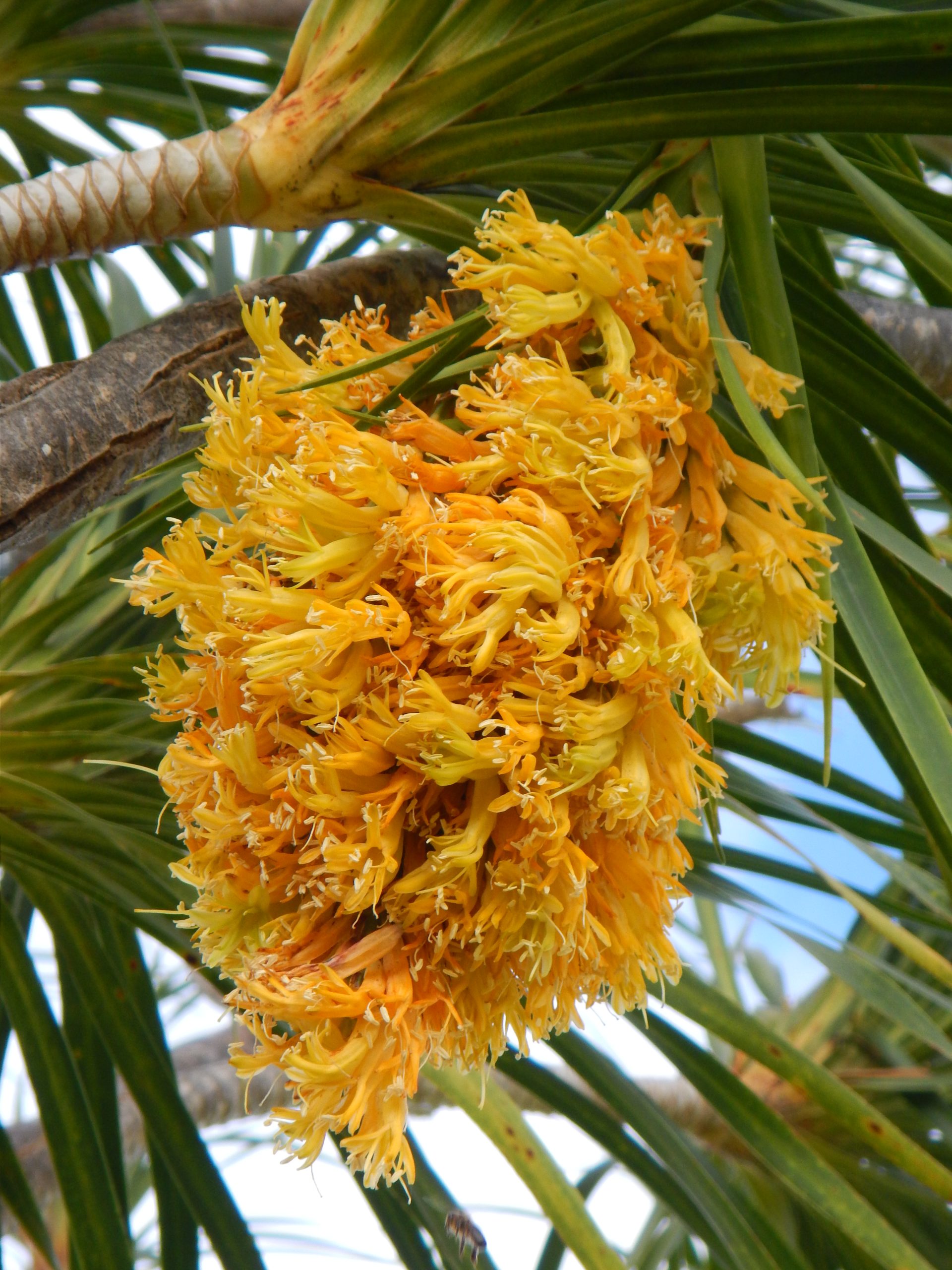
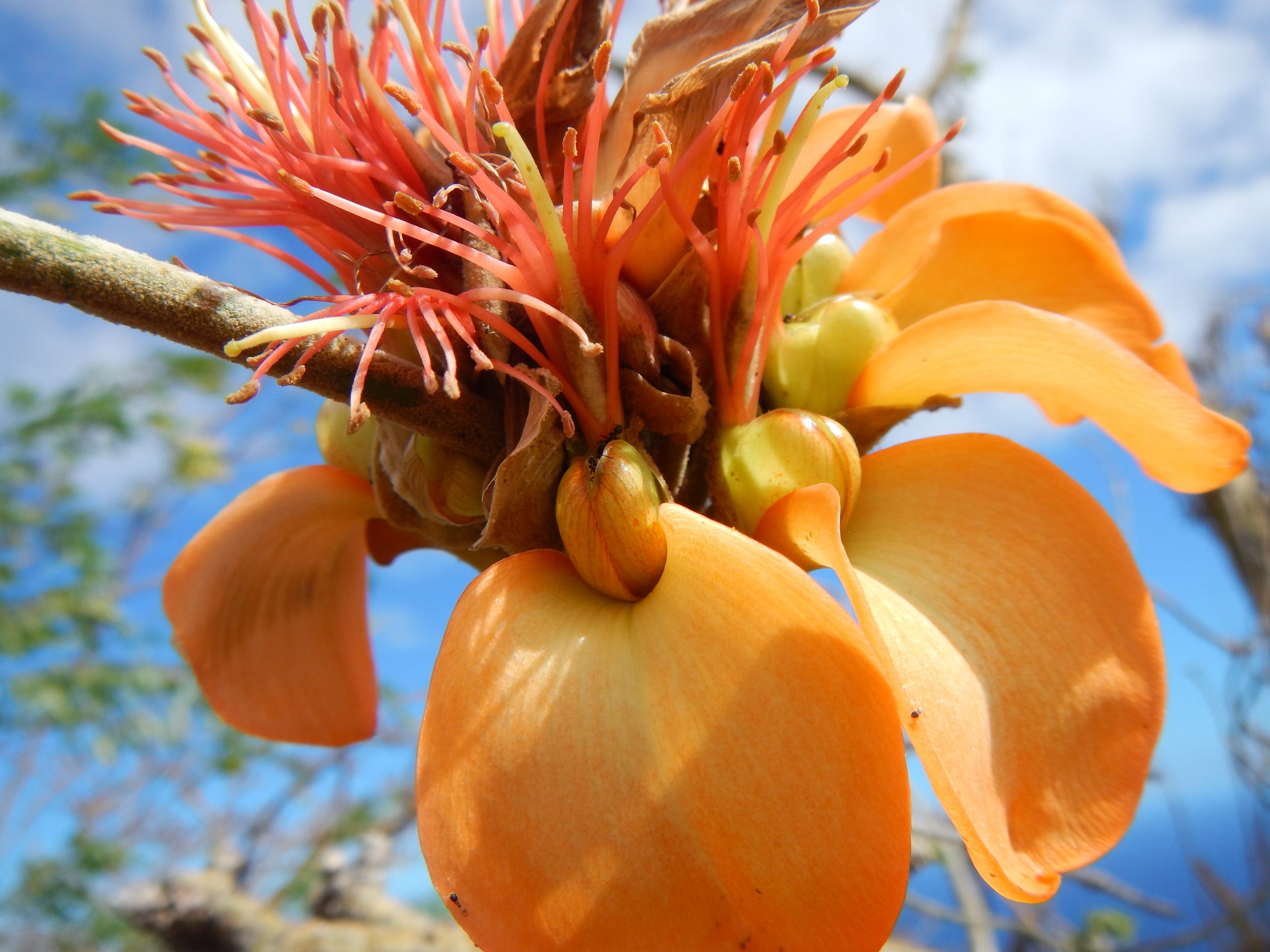
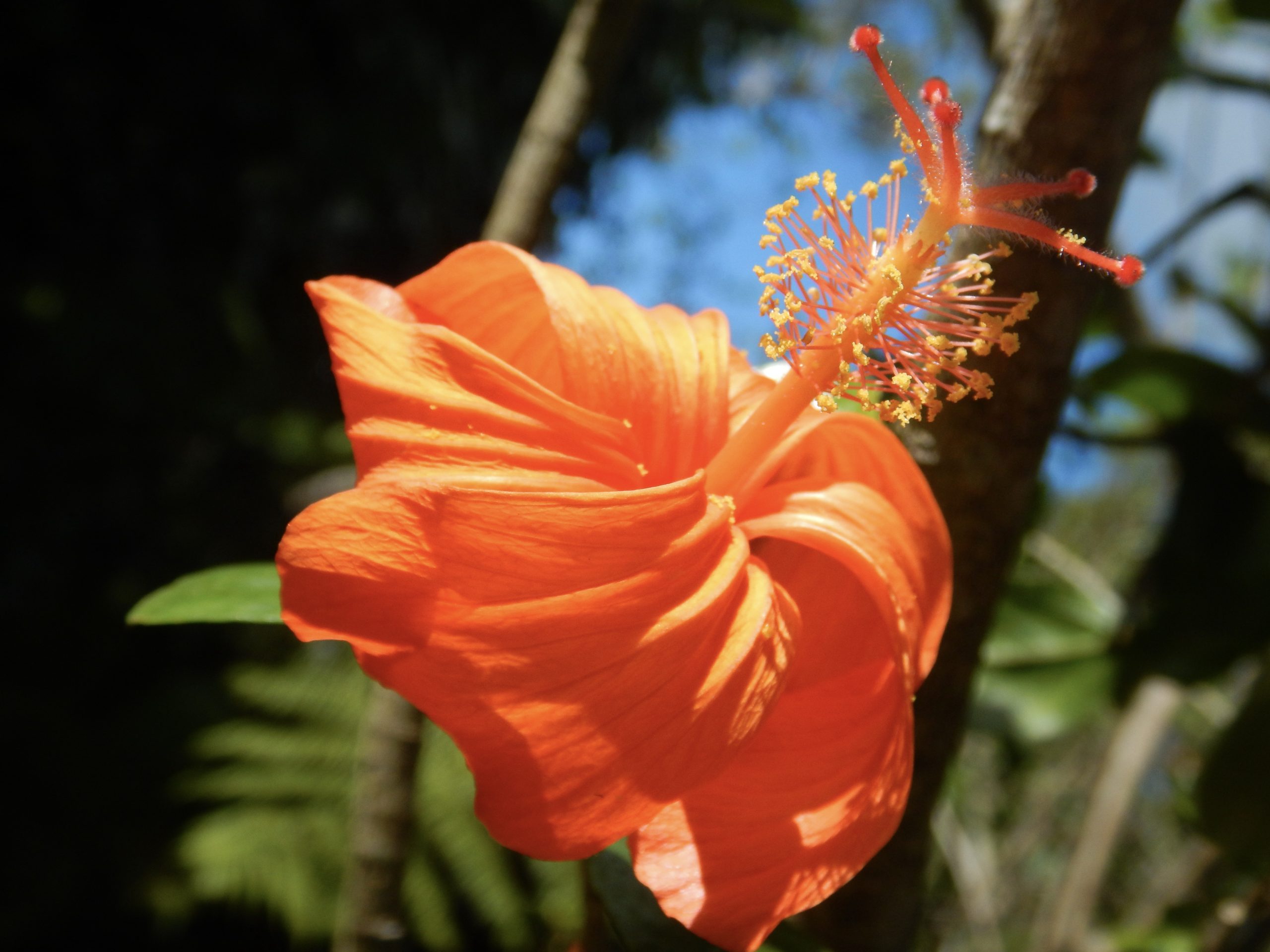
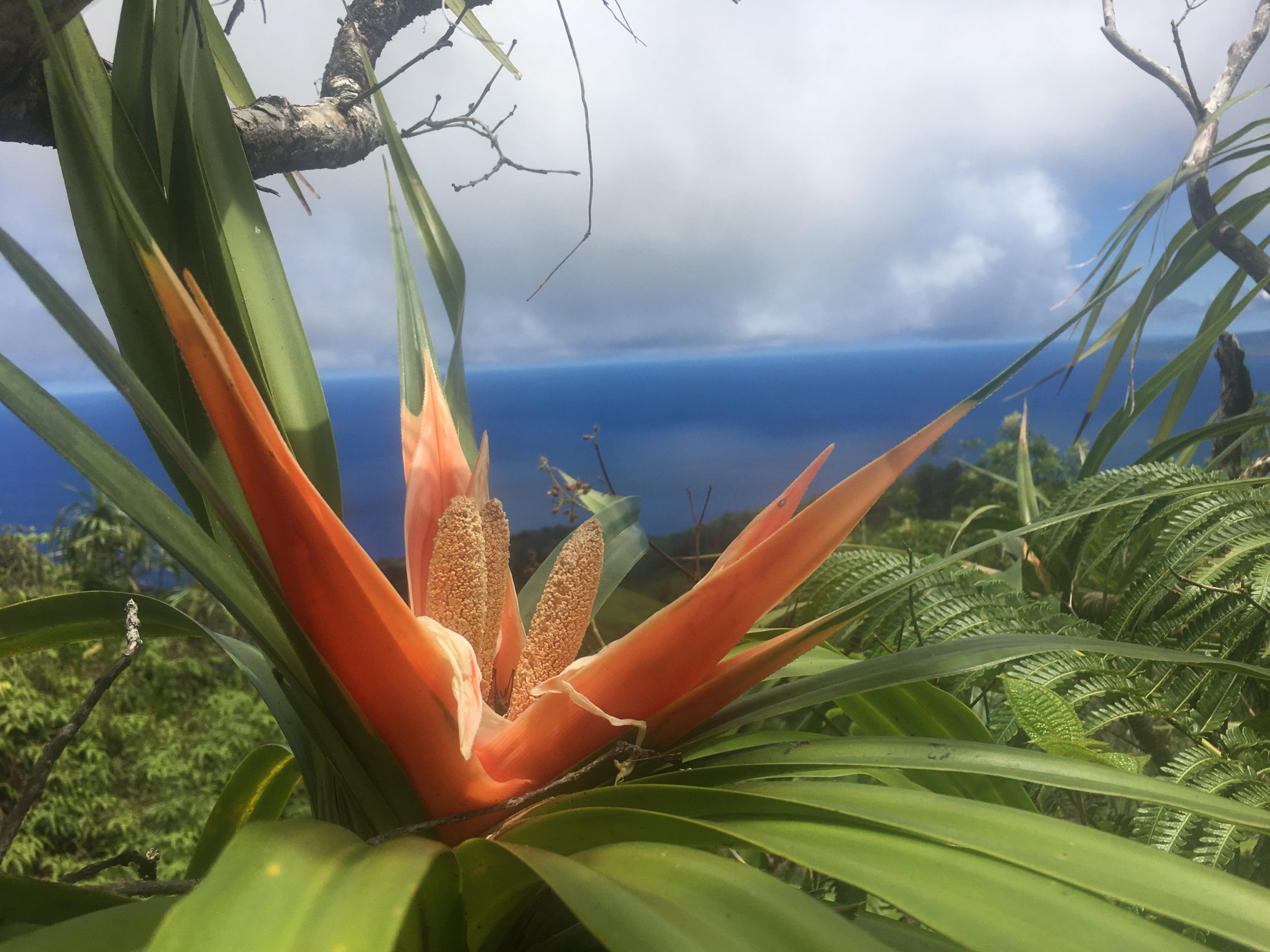
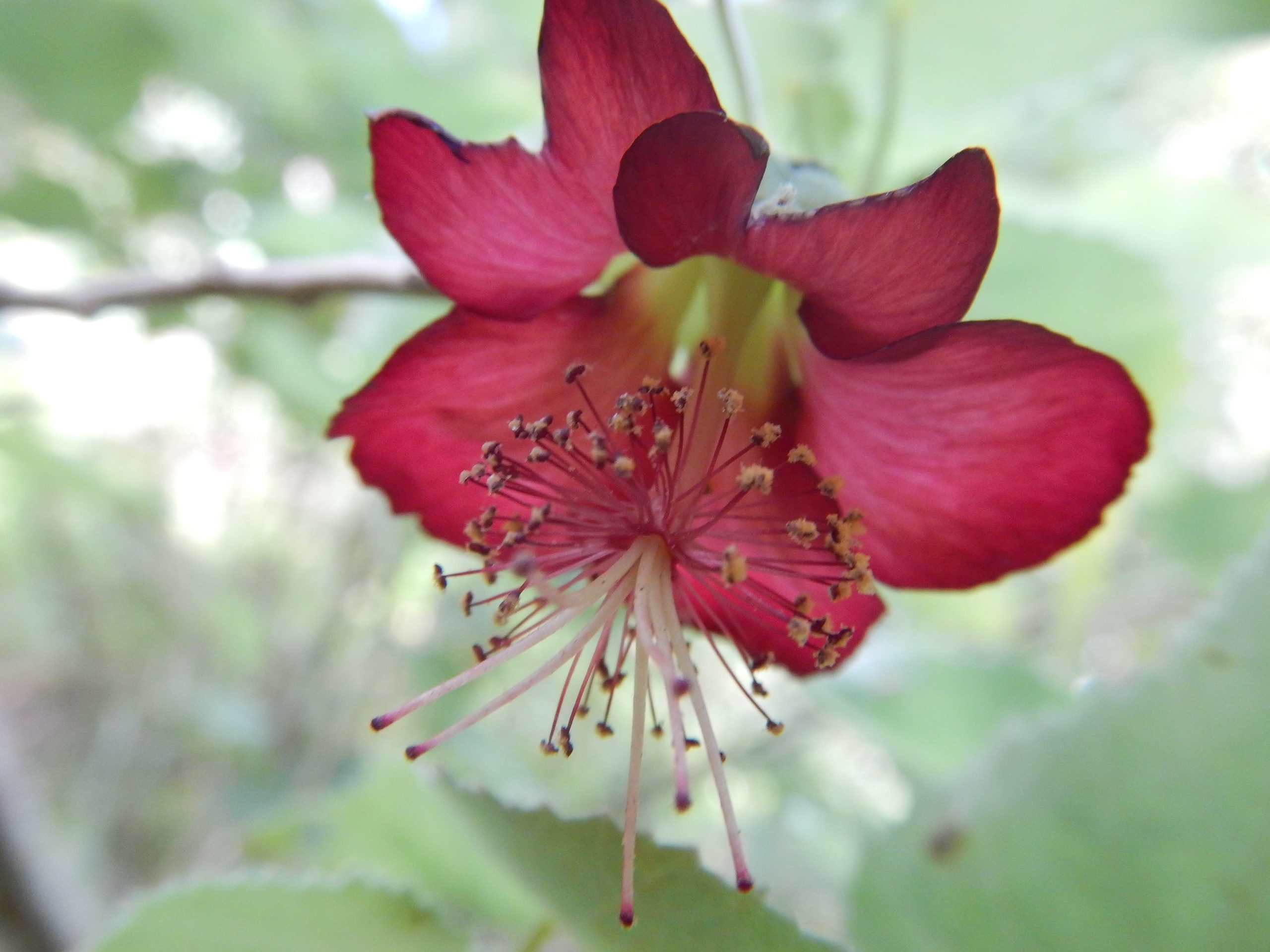
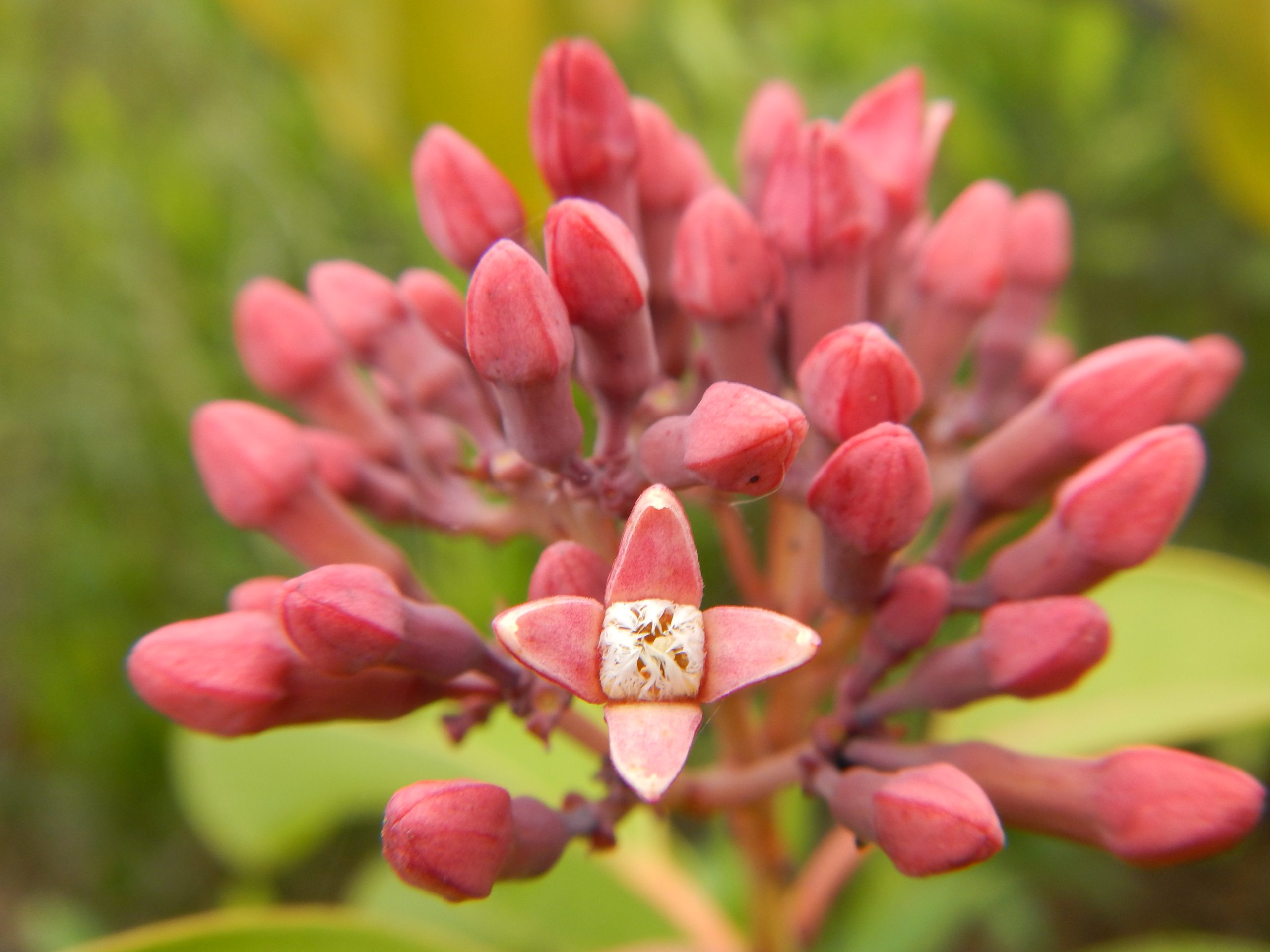
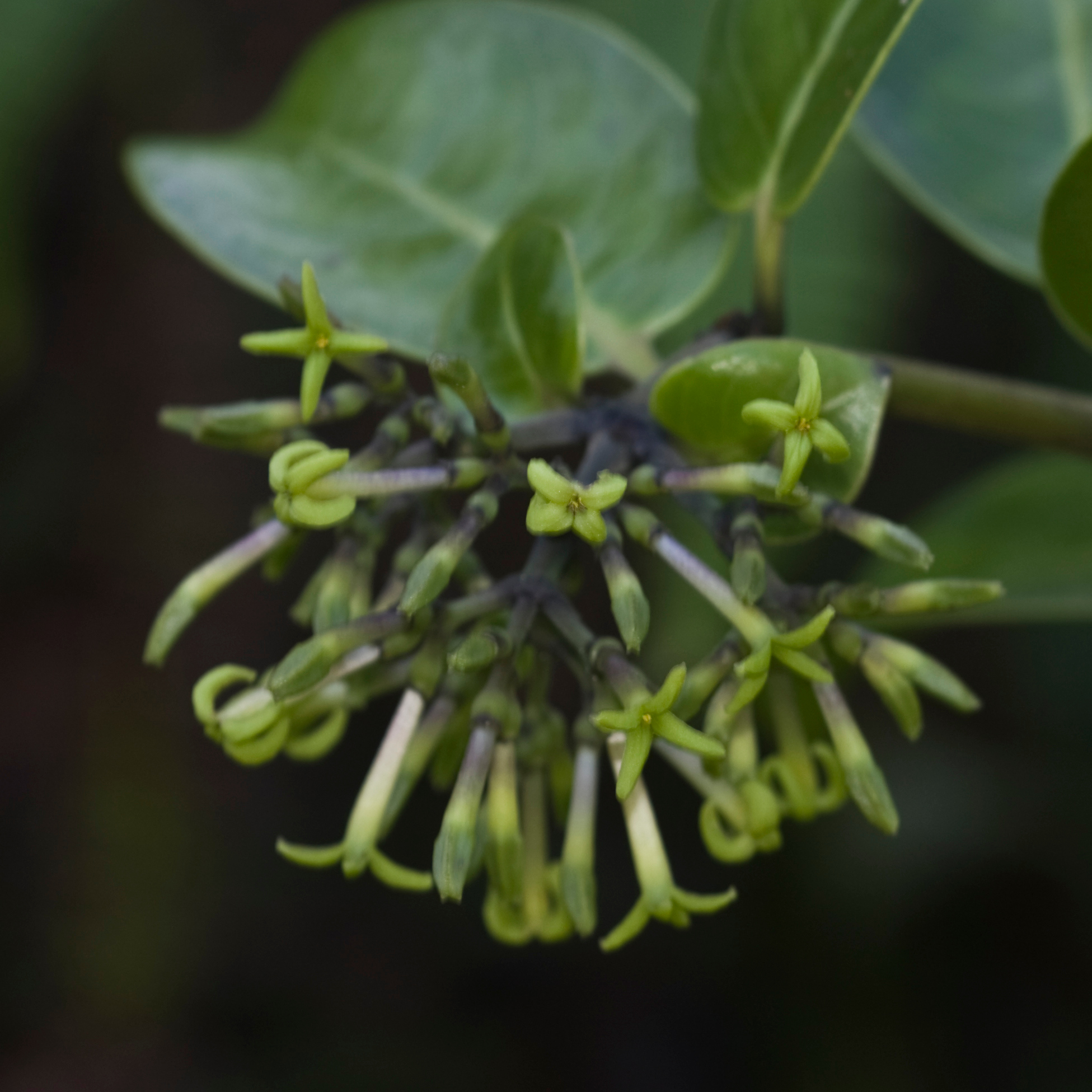
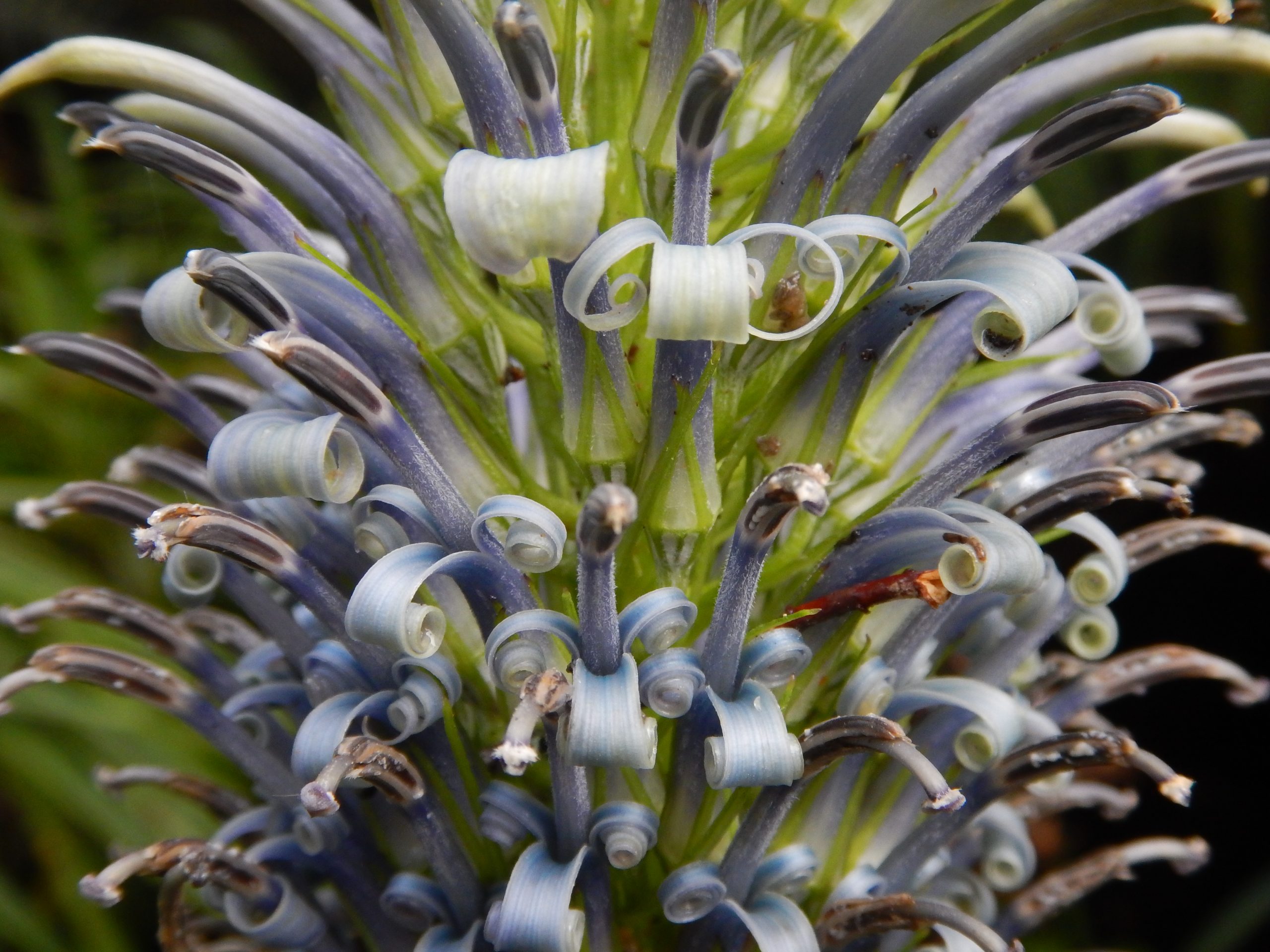
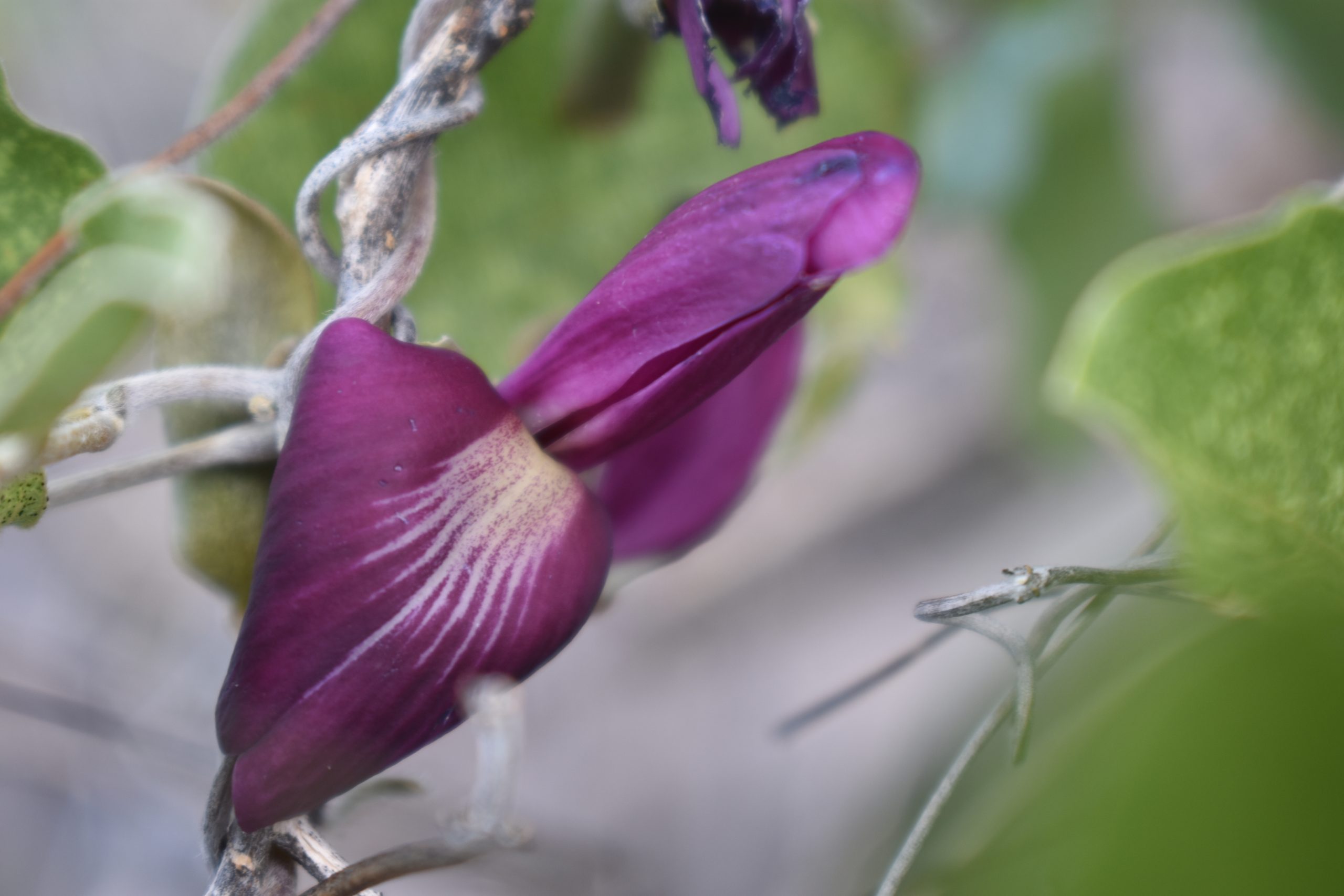
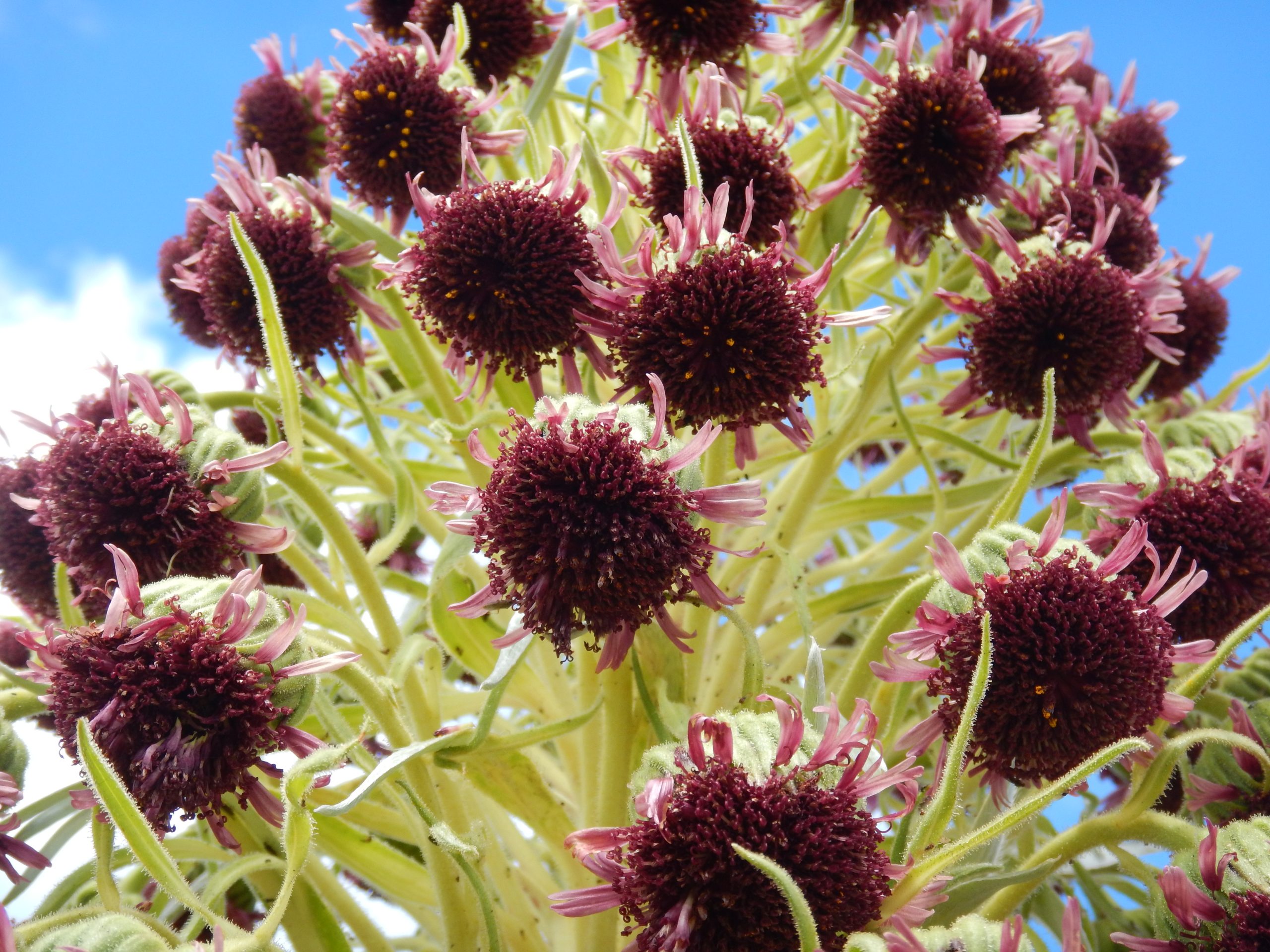
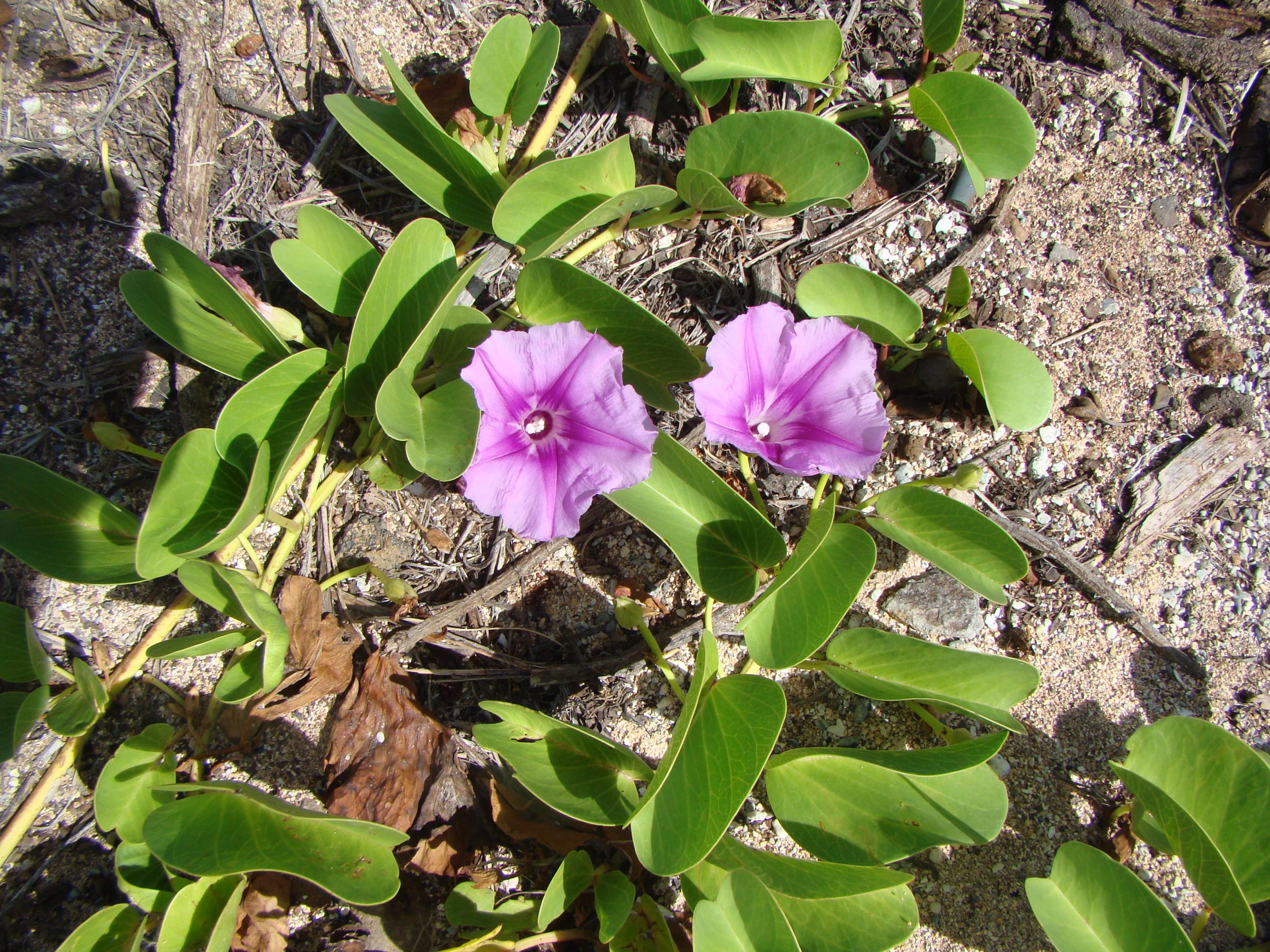
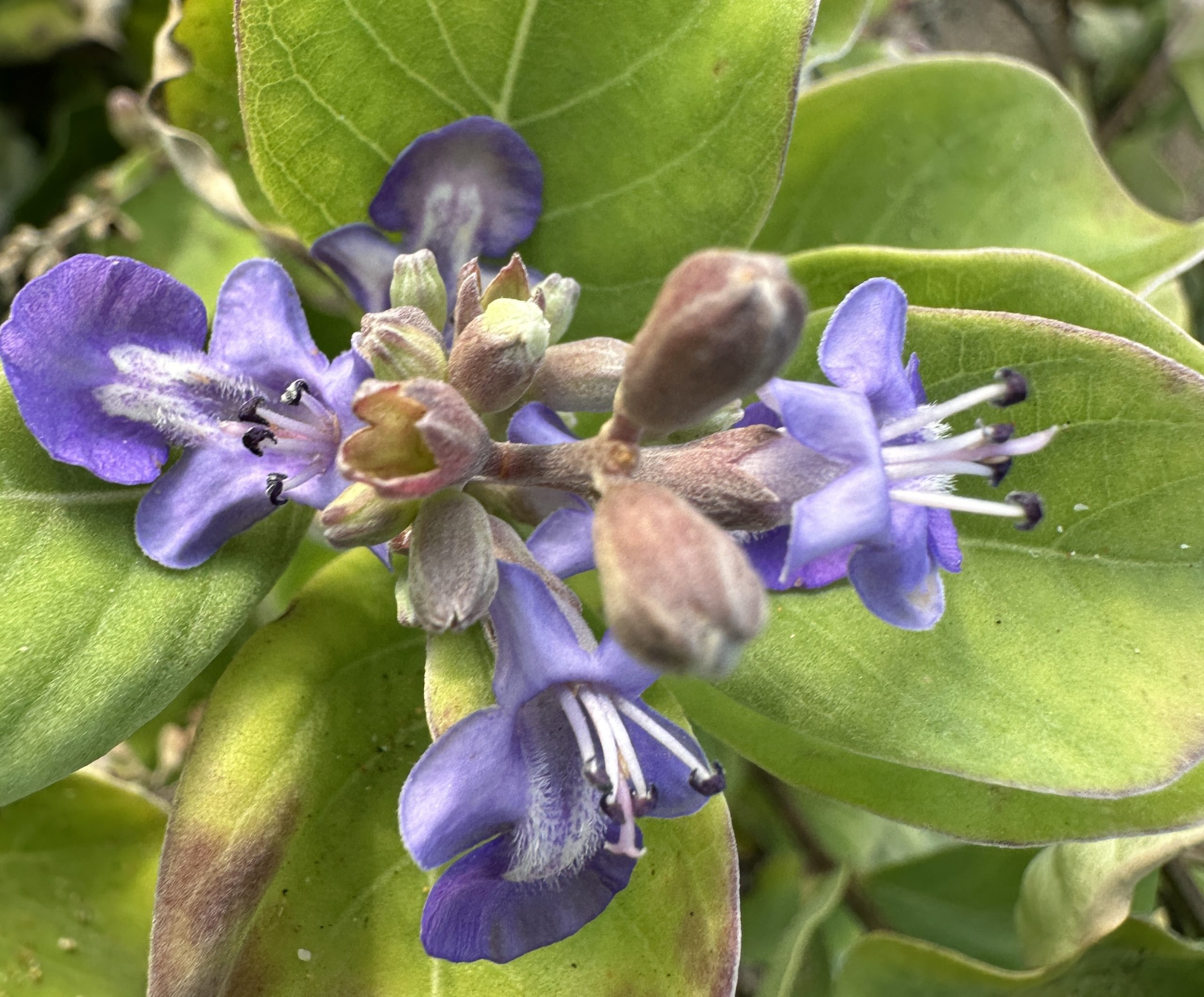
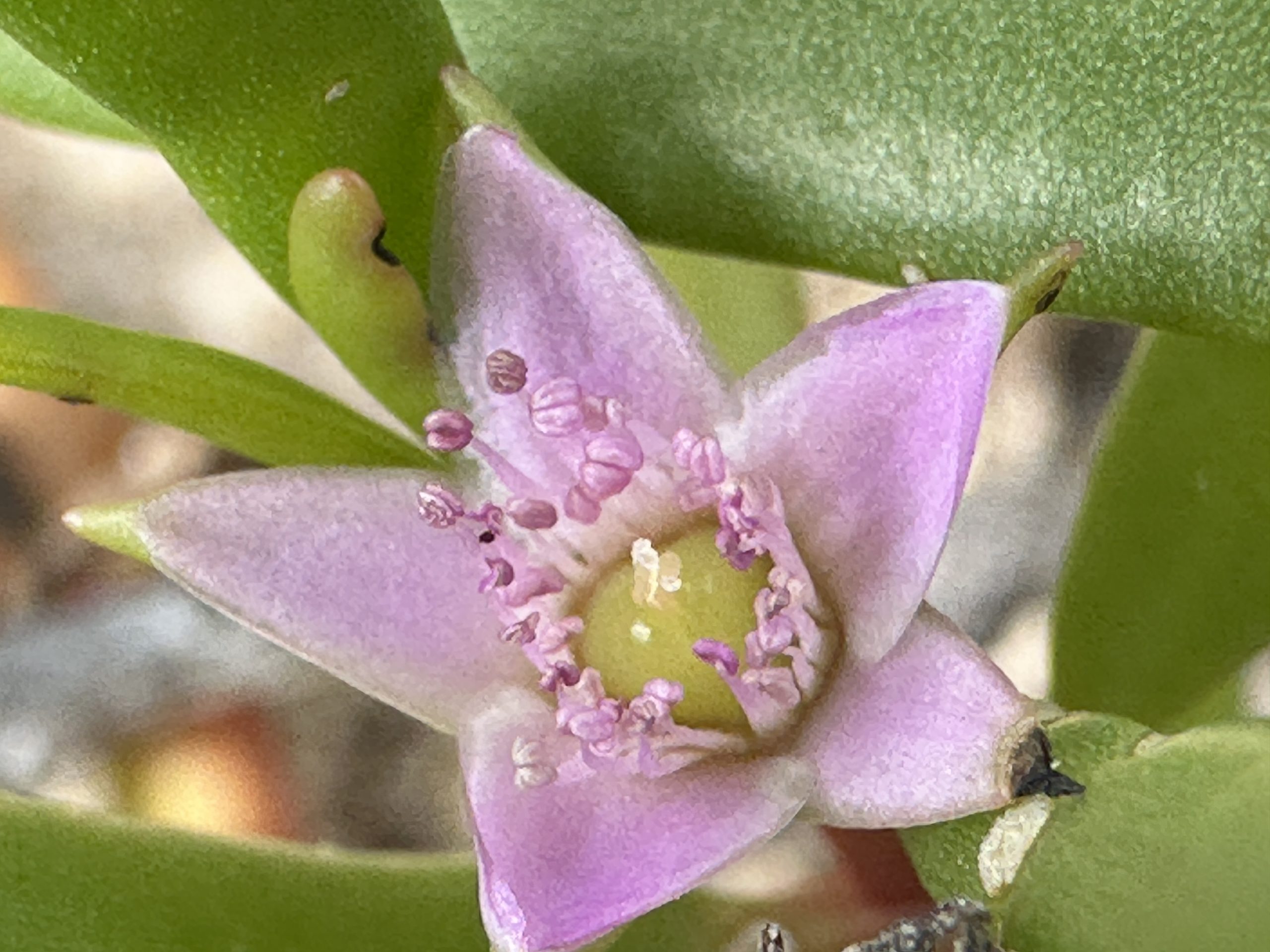
Whether you are planting natives in your own yard or adding them to a schoolyard, business campus, or community space, it’s often best to start small and grow the project over time. This gradual approach lets you learn what works best while steadily building a healthy, thriving native landscape. There are a myriad of native plants that thrive in every type of habitat imaginable. It’s your job to do some research to find the best species for your hot, dry slope, that wet swale in the back, or the dry shade. Below, you’ll find a selection of native flowers. Copy the name and click on any of the three options to discover each plants unique qualities, growing tips, and the benefits it can bring to your space.